
3. Choosing Flow Wrapping Machine: Advantage vs Disadvantages
4. How does flowrap work:Up Paper and Down Paper
5. Application of Flow Wrapping Machine
6. Recommend the Suitable Flow Wrapper
7. Common Packaging Materials Used for Flow Wrapping Machine
In the field of packaging. Speed, efficiency, and product safety are the primary factors behind each manufacturer's decision-making processes. As the global market continues to develop, companies are facing ever-growing pressure to provide products that look appealing as well as hygienically sealed at a reasonable price. This is why the automated flow wrapping machine is recognized among the top packaging solutions for industries like hardware, food, everyday needs, medical supplies and many more.
Flow wrappers, also known by the name of horizontal form fill seal machines--provide an easy way to wrap a single item or multiple pieces of an unidirectional bag, while forming, sealing, and cutting as an integrated manner. If you're packaging biscuits masks, chocolates, diapers medical syringes, soap bars or other plastic components, an automated flow wrapper can boost productivity while also ensuring consistency in quality of the package.
For optimal production stability and labor savings, many manufacturers now pair the flow wrapper with an Automatic Feeding Packing Line. This intelligent feeder automatically arranges, aligns, counts, transfers products into the flow wrapper at a consistent pace - helping companies achieve higher throughput rates with reduced human error as well as consistent packaging even during large-scale continuous production runs.
This article will take you through all you should know about different kinds of automatic flow wrapping machines. It will help you select the best machine to meet your needs in production.
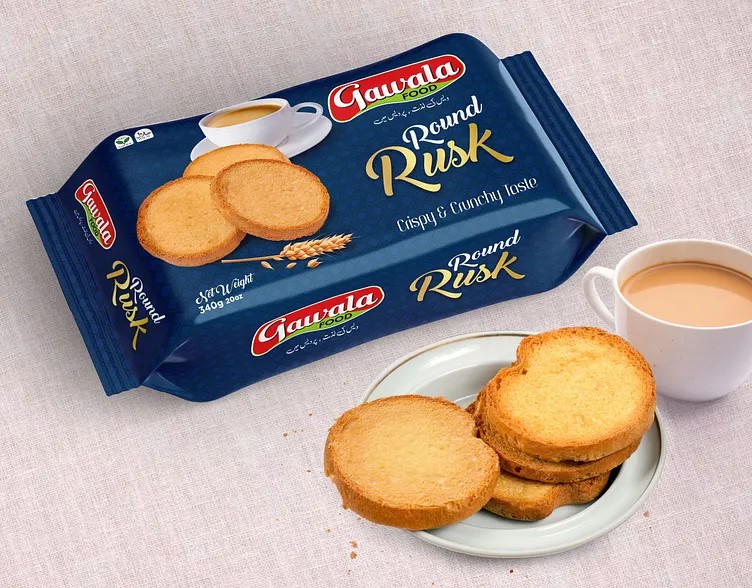
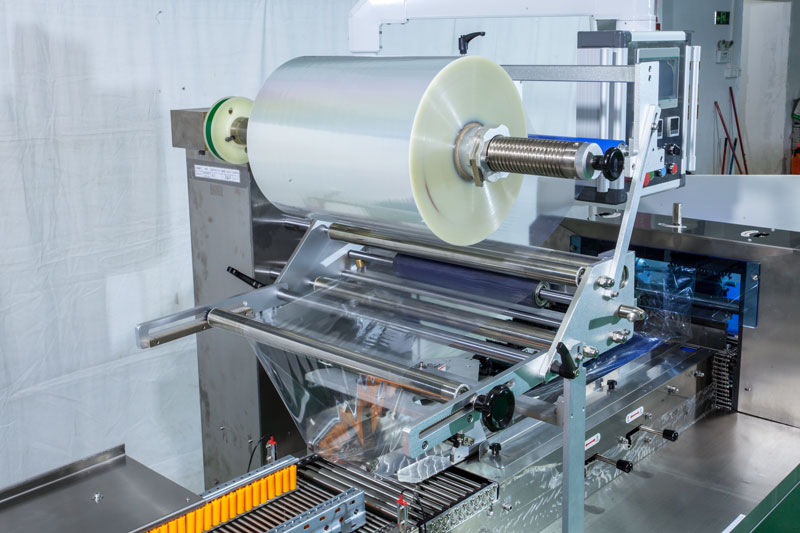
A flow wrapping machine is an automatic horizontal packaging device that forms a roll of film into a tube that wraps around the product and seals it with three sides (two seals at the ends and a longitudinal seal). Then, cut it into individual packages, commonly referred to in the industry as Flow Pack Machine, Pillow Packing Machine, or HFFS Machine.
How It Works:
1. Products are fed into the machine through the conveyor for feeding.
2. The film roll is unwound and then formed into a tube
3. A seal system seals the film edge along the product’s length.
4. End sealing jaws seal and cut each individual pack.
5. The final product is then taken to the conveyors for output.
Key Characteristics
~High-speed continuous packaging
~Gorgeous pillow-type packaging
~Excellent product protection
~The ability to handle food items and non-food products
~The size of the product can be adjusted
Flow wrappers are crucial in industries that require aesthetic appearance, hygiene, and efficient mass production.
As with any industrial machine, flow wrappers come equipped with both advantages and drawbacks that should be considered when making decisions about them. Acknowledging both can help make better choices.
1. High Packaging Speed
Flow wrappers offer fast packaging speeds between 80 to 300 packs per minute depending on model and product type.
2. Versatile for Multiple Products
They can accommodate irregular and regular shapes with ease.
Food-grade plastic packaging materials
Pack contents may include single or multiple pieces.
3. Cost-Efficient Packaging Solutions
Roll film packaging can be more economical than premade bags or manual wrapping techniques.
4. Strong and Reliable Sealing Solutions
Many machines use heat sealing to achieve maximum sealing strength, extend shelf life, and prevent contamination.
5. Easy Integration With Other Systems
Flow wrappers can be connected to: Automatic feeding systems; weight scales and counters; cartoning machines; metal detectors and checkweighers.
Negative Features
1. Not Ideal for Loose or Liquid Products.
Flow wrappers are intended to handle solid items. Liquids, powders or sticky substances require different packaging solutions.
2. This System Requires Film Compatibility
Heat sealing requires specialty films which may increase costs significantly.
3. Size Adjustment Requires the Experience of Engineers
Switching between vastly differing product sizes requires considerable time for engineers.
4. Space Requirement
A complete feeding and packing system (feeder conveyor/sorting system + flow wrapper + discharge conveyor) takes up a significant portion of the production floor.Even with its limitations, however, the benefits usually outweigh them significantly.
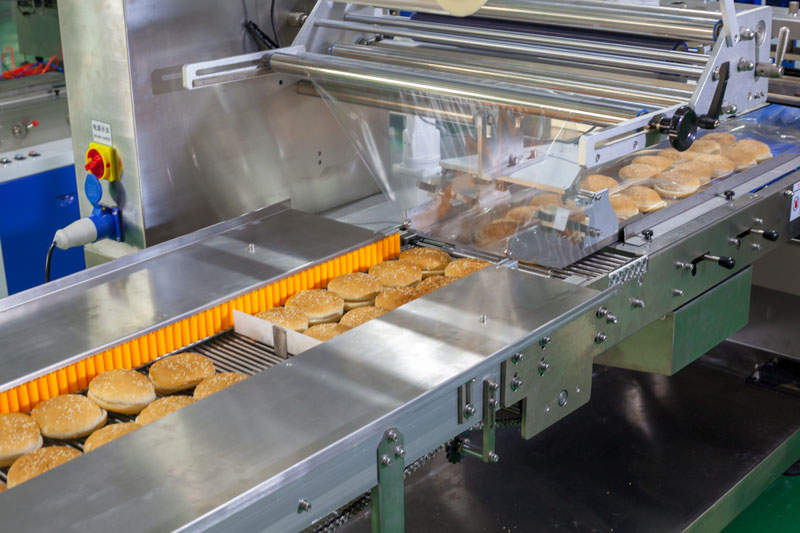
1. One of the primary distinctions in flow wrapping machines is their film positioning capabilities, according to packing manufacturers who typically categorise these flow wrappers accordingly:
Up Paper Flow Wrapping Machine
Down Paper Flow Wrapping Machine
Each packing type can accommodate products of various characteristics. Here we introduce them by category:
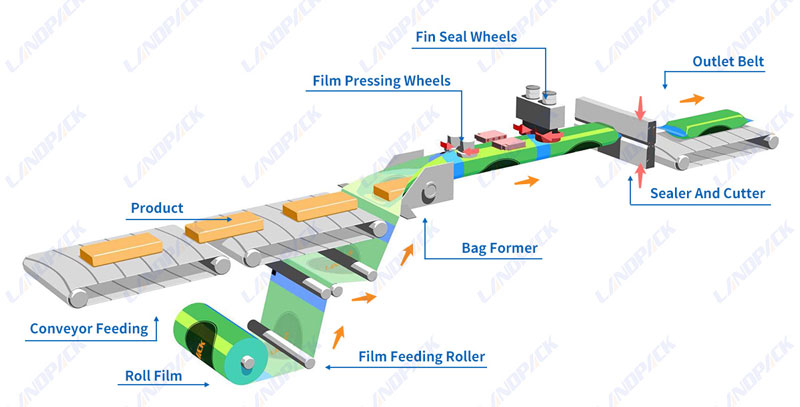
Up Paper Flow Wrapping Machine
With this configuration, the film sits above product level before unwinding downward and wrapping from above.
Best For:
Sticky products; soft or fragile goods; products difficult to push around
Items needing gentle handling
Examples:
Cakes, marshmallows, bakery products, sliced bread, sticky candy, cut fruits, medical dressings.
Why Opt For It?
Because the product is loaded from below, it avoids dragging products across the film surface. This helps maintain product integrity and avoids contamination.
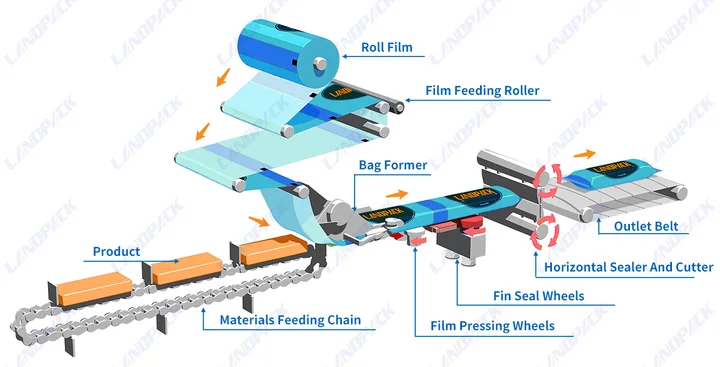
Down Paper Flow Wrapping Machine
Film is pulled up from below and wrapped upward.
Best For:
Dry, smooth, or hard products
Products which can easily slide across film
High-speed packaging environments
Examples:
Cookies, biscuits, noodles, chocolate bars, soap, hardware parts, face masks.
Why Choose It?
This design is one of the most prevalent and cost-efficient production lines available today, perfect for high speed, stable production environments.
How to Choose Between Up Paper and Down Paper?
| Product Type | Best Film Direction | Reason |
| Sticky or soft foods | Up Paper | Prevent sticking and deforming |
| Dry snacks | Down Paper | Fast speed, stable transport |
| Large or heavy items | Down Paper | Stronger film tension control |
| Delicate medical items | Up Paper | Hygienic and gentle handling |
| Irregular shapes | Up Paper | Easier wrapping without friction |
⭐One Key Difference for Tray Products
An important but often-overlooked distinction lies in choosing the appropriate film direction when packaging products with trays.
1. Up Paper is an ideal choice for tray products.
Why this approach makes sense: Trays move more stably along the conveyor (and not along the film).
Trays tend to be rigid, taller, and heavier than soft products; with Up Paper they remain securely on the conveyor while film is added from above.
2. Trays do not easily slide on film.
Down-Paper systems rely on products sliding over film. Troughs present special challenges: hard edges; higher friction levels and greater weight.
Problems such as film tearing and wrinkles arise which leads to unstable feeding, product misalignments in sealing jaws, as well as film wrinkling.
3. Up Paper can reduce friction and protect film against damage.
As the film covers only the tray from above, there is minimal rubbing or scratching.
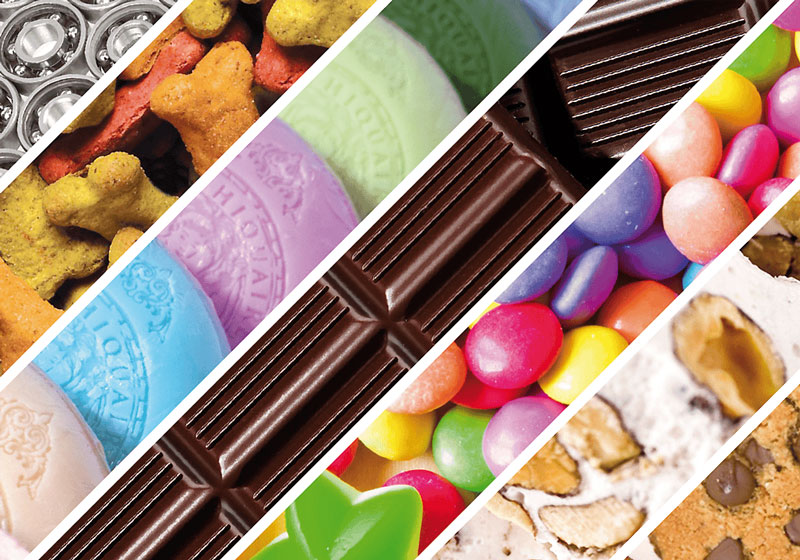
Flow wrappers are among the most universal packaging machines worldwide, serving in numerous applications categories and examples. Here are a few such categories and examples for their usage:
A. Food Industry
Biscuits, cookies, crackers; Bread, toast, cake slices; Chocolate bars, wafers; Candy, marshmallows; Instant noodles; Frozen foods; Vegetables and fruits ; Sausages, hot dogs
B. Daily Commodities
Soap bars; Sponges and cleaning pads; Wet wipes (individual packs); Tableware sets; Toothbrush multi-packs; Kitchenware accessories
C. Medical & Hygiene Products
Face masks (N95/3-ply); Syringes; Bandages; Swabs; Gloves (single pack); Medical tubing segments
D. Industrial & Hardware
Screws, bolts, fasteners; Bearings; Plastic components; Metal parts; Electrical connectors
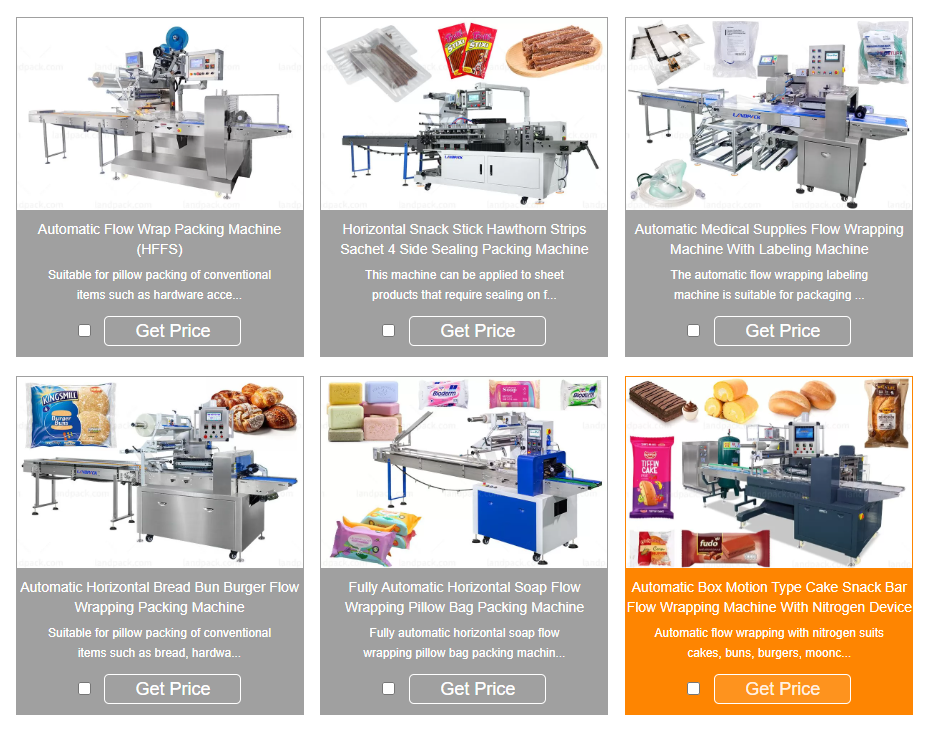
Selecting an ideal flow wrapping machine depends upon several criteria including product shape, film type, speed requirement and automation level. Below are common machine options you should keep in mind when making this choice.
1. Horizontal Flow Wrapper (Up/Down Paper)
This machine is one of the most commonly utilized packaging machines for pillow-type packs and offers both Up Paper and Down Paper options, depending on what best suits your product.
Best For:
Food and non-food products; Sanitary pads, masks, bread, biscuits, noodles, soap; Regular or irregular shapes; High-speed single-item packaging
Why Choose It:
Continuous packaging at 80–450 packs/min
Stable sealing and attractive pillow packs
Film direction can be customized based on product (up paper for soft/sticky items, down paper for dry/hard products)
Flexible solutions for factories of all sizes
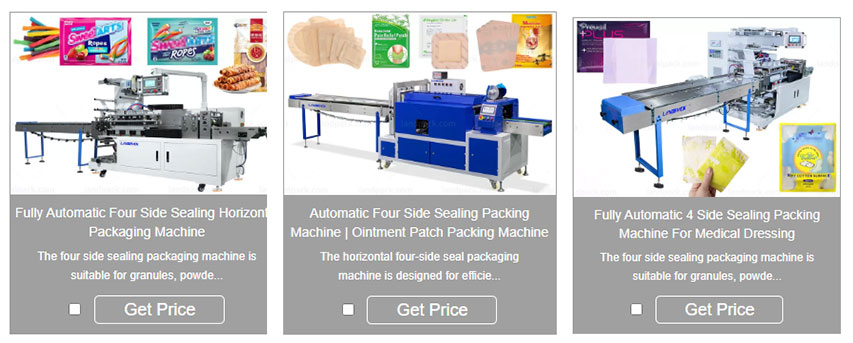
2. Four Sides Sealing Packing Machine
Four sides sealing machines create flat pouches sealed on all four edges for excellent protection and a premium look, suitable for products requiring compact packaging that is both hygienic and flat styled. They're an efficient option that saves both space and money
Best For:
Sanitary pads, medical dressings, cosmetic masks; Flat daily care products; Disposable hygiene items; Small industrial components
Why Choose It:
Maintain secure, flat, and premium quality packaging
Improved dustproof and moisture-proof performance
Ideal for thin products needing individual protection.
Excellent sealing performance for hygiene-sensitive products
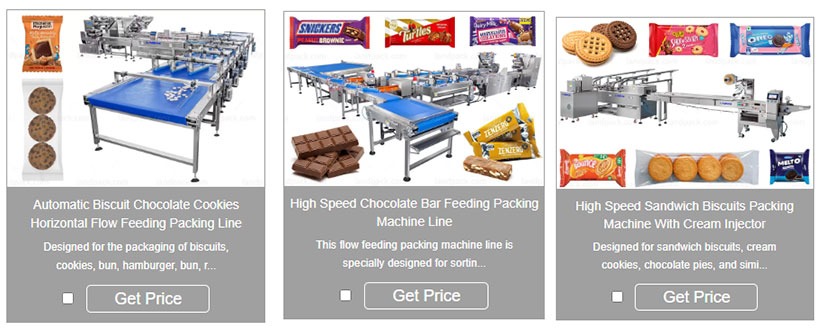
3. Automatic Feeding Packing Line
This high-efficiency solution integrates feeding, sorting, flow wrapping and output for continuous packaging without manual intervention in factories that demand uninterrupted packaging processes.
Best For:
Production on medium to large-scale is available; High-speed snack lines, instant noodles and bakery goods.; Sanitary pads, wet wipes, masks; Multi-piece grouping or continuous feeding
Why Choose It:
Reduce labor cost substantially
Production which is consistent, stable and uninterrupted
Connect to conveyors, counters, weighers, cartoners and metal detectors.
Enhance efficiency and ensure consistent packaging quality
How to Select Correctly?
Ask yourself:
1. What should my daily output target be?
2. Are your products fragile or hard?
3. Are the sizes consistent or highly variable?
4. What kind of film material am I using?
5. Should I invest in an automated packing line?
Flow wrapping machines use many kinds of heat-sealable films for sealing. Selecting an ideal film material depends upon sealing strength, aesthetic considerations and cost considerations.
Below are the most frequently-used films:
1. OPP (Oriented Polypropylene): Transparent and economical products suitable for everyday products including dry food products
2. OPP/CPP Laminated Film: With High Seal Strength And Protection For Snacks, Bread And Instant Noodles (Used for Package Sealing )
3. PET/CPP Laminated Film: Strong and glossy finish suitable for heavy or sharp products.Often used for hardware and industrial items
4. Aluminium Foil Laminated Film: Excellent barrier protection!; Moisture-proof and light-blocking properties; Ideal for chocolate, coffee and snack items
5. Heat-Shrink Film: This material can help group multiple products together for easier packaging.
6. Eco-Friendly & Biodegradable Films: Many more companies are opting to: PLA biodegradable film, compostable film and recyclable PE mono-material.These comply with environmental regulations and increase brand sustainability.
1. HFFS vs VFFS: Which should I choose for my product?
Choose HFFS (Flow Wrapping Machine) for solid, single items that need pillow packs—such as biscuits, soap, masks, hardware, or sanitary pads. Choose VFFS for powders, granules, and products packed vertically into bags like chips, sugar, nuts, or detergent.
2. Is a Flow Wrapping Machine suitable for my non-food items?
Yes. Flow wrapping machines are widely utilized for non-food products like sanitary pads, masks, soap bars, hardware parts, medical accessories, stationery and daily necessities. They provide clean sealing, stable packaging and strong product protection in non-food applications.
3. How long does a flow wrapping process take?
A single pack typically takes 0.2–1 second, depending on machine speed. Standard models run 80–150 packs/min, while high-speed servo models can reach 300–450 packs/min.
4. How much does a Flow Wrapping Machine cost?
Prices vary by speed, automation level, and film type, but general ranges are:
Basic models: USD 4,000–8,000
Servo or high-speed models: USD 10,000–25,000
Full automatic feeding + flow wrap line: USD 30,000–80,000+
Understanding the working principle, film direction (up or down paper), machine types and materials available helps you select an optimal flow wrapper for your production needs. If you would like more information regarding our flow wrapping machines please do not hesitate to get in touch. We hope that this guide has been useful; good-bye!


Copyright © Foshan Land Packaging Machinery Co., Ltd. All Rights Reserved | Sitemap