
4. What are the requirements for pharmaceutical packaging?
5. Introduce different types of Pharmaceutical Packaging Machine
7. Factors To Consider When Choosing A Pharmaceutical Packaging Machine
Pharmaceutical companies are under increasing pressure to improve production speed, guarantee dosing accuracy, comply with global regulations, and reduce labor dependence. As tablets and capsules remain the most common dosage forms worldwide, the demand for automated counting, filling, pouch packaging, and bottle packaging continues to grow rapidly. Whether you're a pharmaceutical manufacturer, supplement company, or other product supplier who is researching reliable pharmaceutical packaging machine, this guide offers a comprehensive and in-depth guide for you

Pharmaceutical packaging encompasses all operations and materials used to protect drug quality, facilitate storage, transport, identification, and use. Utilizing specialized materials and technologies, pharma packaging machine protects products from contamination, degradation, and other external factors that can compromise product quality and patient safety.
Pharmaceutical packaging is typically divided into three levels based on how closely the packaging material interacts with the medicine product: Primary Packaging, Secondary Packaging, and Tertiary Packaging. Each level plays a different role in product protection, regulatory compliance, and supply-chain handling. Below is a clearer breakdown:
1) Primary Packaging — Direct Contact with the Product
Primary packaging is the first layer that touches tablets or capsules directly. It protects the product from moisture, oxygen, contamination, and physical damage, ensuring stability and shelf life.
Examples of primary pharmaceutical packaging include:
HDPE bottles for softgel capsules or nutraceutical tablets
Aluminum foil pouches for moisture-sensitive tablets & capsules
3/4 sides sealing pouch for single-dose medication
zipper pouches for large-volume tablets
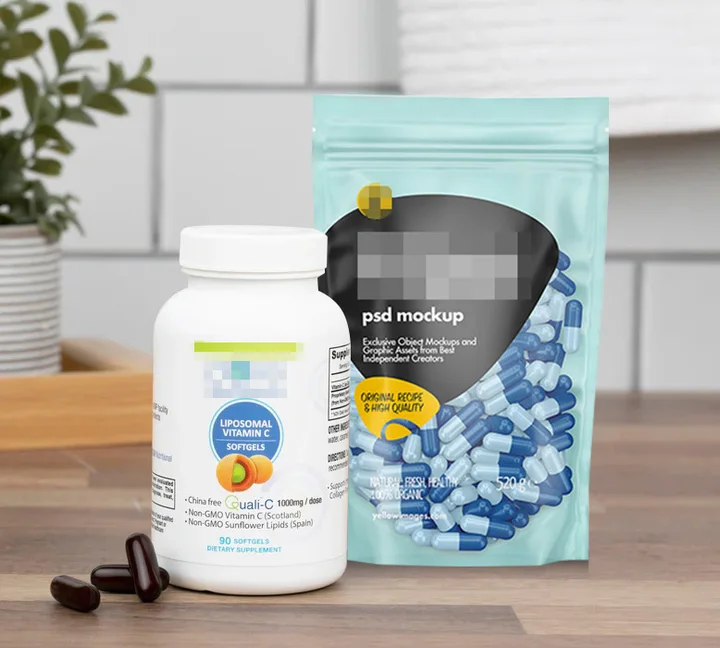
2) Secondary Packaging — Branding, Grouping & Additional Protection
Secondary packaging is the outer layer that groups primary packages into retail-ready or transport-ready units. It provides physical protection, product information, and branding elements.
Examples:
Carton boxes for bottles or sachet bags
Shrink-wrapped bundles
Multipack cartons (e.g., 10 sachets per box)
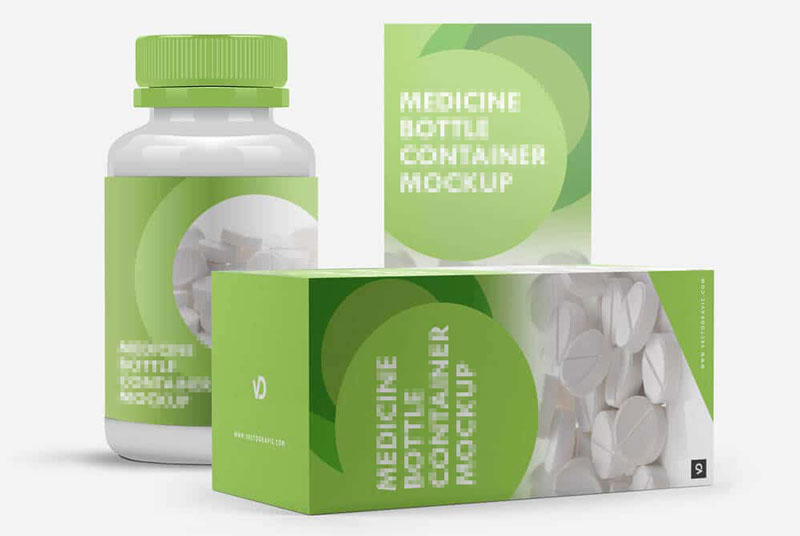
Secondary packaging often includes important information like dosage instructions, lot numbers, and expiration dates, manufacturer and patient safety.
3) Tertiary Packaging — Bulk Handling & Transportation
Tertiary packaging is used for warehouse storage, bulk handling, and long-distance transportation. It ensures that secondary packages remain stable during shipping.
Examples:
Corrugated shipping cases
Wood or plastic pallets
Stretch film and pallet wrapping
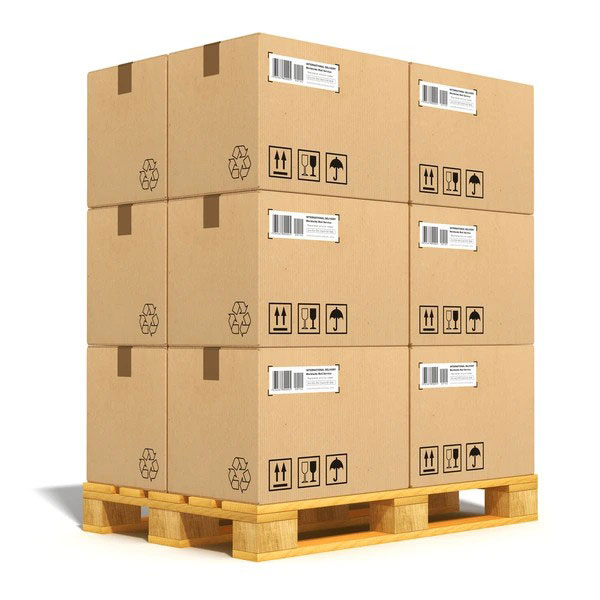
Tertiary packaging focuses on storage and shipping, especially for temperature-sensitive medications such as vaccines and biologics.
The unique nature of pharmaceutical product dictates that it must meet standards far higher than general consumer goods. For equipment investment in the future, you need to focus on these key requirements:
- GMP/cGMP Compliance: Equipment material (contact parts must be SUS316L or compliant materials), structural design (easy to clean, no dead ends, no cross-contamination risk), and validation documentation.
- Sealing and Barrier Properties: Especially for moisture-sensitive tablets and capsules, the seal of bottles or sachets must ensure extremely high barrier properties to prevent the ingress of water vapor and oxygen.
- High-Accuracy Counting and Filling: This is the key point of solid dose packaging machines. It must ensure not one extra piece and not one piece missing in every bottle/sachet, directly impacting production costs and regulatory adherence.
- High Efficiency, Stability, and Flexibility: Aiming for maximum Overall Equipment Effectiveness, while also allowing for rapid changeovers between different specifications.
After understanding the definition of pharmaceutical packaging and the specific applications, the next step is identifying which machines can actually achieve these packaging types.Below are the main types of pharmaceutical packaging machines used for tablet and capsule applications—fully aligned with the packaging formats, such as bottle or pouch.
In solid-dose packaging, everything begins with accurate counting. Whether the final format is a bottle or a pouch, the tablet and capsule counting machine remains the core of the entire process. Today, counting machines use multi-channel optical sensors to ensure precise dosing and can handle tablets, caplets, hard capsules, softgels, and irregular nutraceutical shapes. As these counters are typically integrated with downstream equipment, they distinguish between pouch or bottle packaging.
Horizontal Premade Pouch Machine
Uses premade pouches (such as aluminum foil or zipper pouches) and performs automatic pouch feeding, opening, filling, and sealing, ideal for moisture-sensitive tablets or capsules
Rotary Premade Pouch Machine
A machine efficiently fills tablets or capsules into stand-up pouches, 3-side/4-side seal bags, or zippered pouches with precise dosing and excellent GMP-compliant sealing quality.
Vertical Form Fill Seal (VFFS) Machine
Forms pouches from roll film and fills counted tablets or capsules inline, offering a high-speed, space-efficient option for single-dose, multi-dose, or foil-laminate pharmaceutical packs.

A complete pharmaceutical bottle packaging line consisting of a tablet/capsule counter, bottle unscrambler, filling unit, desiccant inserter, cotton inserter, capping machine, induction sealing system, labeling machine, and final inspection conveyor. Designed for full compliance with pharma regulations, the line ensures accurate counting and filling.
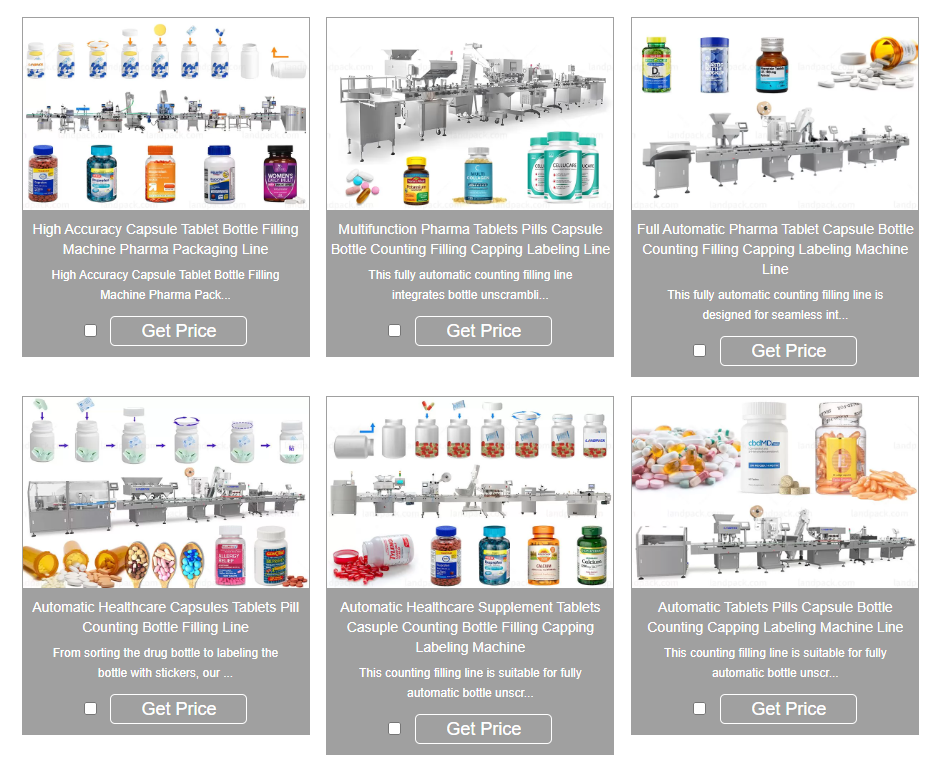
Choosing equipment means choosing a long-term reliable partner. Landpack understands your considerations as a corporate purchaser regarding brand reputation, technical strength, and after-sales service.If you want more details, please contact us!
Landpack Core Value Proposition:
1. Professional Focus: We specialize in high-accuracy counting, bottling, and sachet systems, mitigating the risks associated with broad, non-specialized offerings.
2. Compliance Design: All equipment strictly adheres to GMP/cGMP design principles and comes with full validation documentation support.
3. Smart Integration: Our machines provide standard interfaces, enabling seamless integration with your existing systems
4. Custom Flexibility: We understand the properties of different drugs (fragility, hygroscopicity, stickiness). Landpack offers customized packing solutions to minimize loss and ensure product integrity.
Selecting the right pharmaceutical packaging machine is not simply about speed or price—it's about ensuring product safety, GMP compliance, long-term reliability, and seamless integration with your existing production workflow. Whether you are packaging tablets into HDPE bottles or sealing capsules into pouches, the machine you choose must match your dosage form, packaging format, regulatory requirements, and production capacity.Below is a comprehensive comparison table outlining the key factors pharmaceutical manufacturers should consider when evaluating equipment :
| Factor | What to Look For |
|---|---|
| Packaging Format Compatibility | Ensure the machine supports your packaging type (HDPE bottles, stick packs, sachets, aluminum foil pouches, zipper bags). Machines should handle product shape, size, and fragility without damage. |
| Counting & Dosing Accuracy | Look for high-precision counting systems (infrared/optical/multi-channel) to guarantee exact tablet/capsule quantities and avoid rejects or regulatory issues. |
| Speed & Production Capacity | Choose capacity that fits your current demand while allowing room for growth; multilane sachet/stick machines or high-speed bottle lines significantly increase throughput |
| GMP & Regulatory Compliance | Equipment must meet GMP, FDA, CE, and other requirements, including traceability, audit trails, and hygienic contact surfaces. |
| Ease of Changeover | Pharmaceutical lines often run many products; look for tool-free, quick changeovers with recipe storage and servo-driven adjustments. |
| Supplier Reputation & Service | Choose manufacturers with strong technical support, global service teams, validated pharma projects, and proven machine reliability. |
1. What is the maximum counting accuracy achievable by an tablet counting machine?
High-precision counting machine can achieve an accuracy of over 99.98%, often coupled with an online rejection system to ensure zero-error filling.
2. How long does it take to switch between different specifications
Highly modular designs support quick, tool-less or minimal-tool changeovers, typically allowing spec changeovers within 15 to 30 minutes
3. What is the best packaging for tablets
HDPE bottles and pouches are the most common packaging for tablets or capsules
4. My tablets are fragile and sticky. Can the counting machine handle them?
Yes. This is achieved through a custom-designed vibration system and the use of special coatings/materials to reduce friction and adhesion.
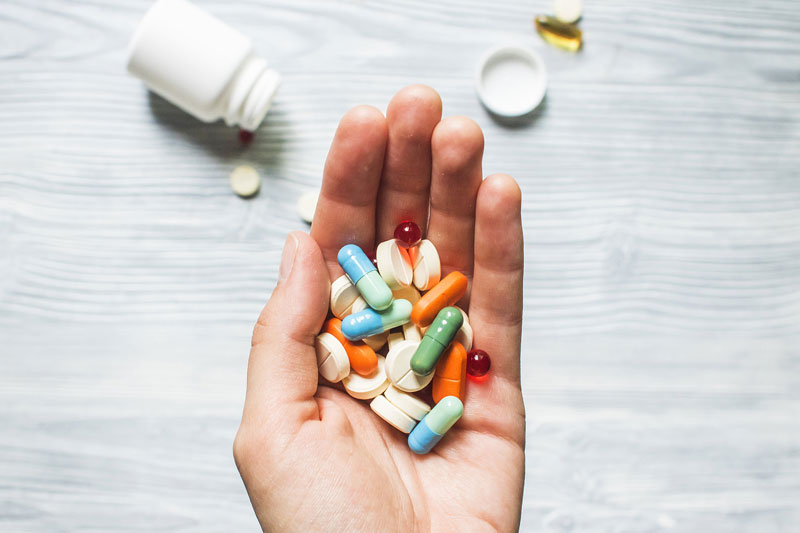
As global demand for nutraceuticals, OTC medicines, and RX tablets continues to rise, factories must upgrade to accurate, stable, and compliant packaging solutions. Whether you are producing tablets, capsules, soft gels, or health supplements, choosing the right bottle packaging line or pouch filling system will dramatically improve your efficiency and product safety.
If you are planning a new pharmaceutical packaging project or upgrading an existing line, this guide should help you make informed decisions.


Copyright © Foshan Land Packaging Machinery Co., Ltd. All Rights Reserved | Sitemap