
Table of Contents
Many factories focus on primary packaging machines first. VFFS machines, filling machines, premade pouch packing machines, and flow wrapping machines decide how products are packed into bags, bottles, pouches, jars, or flow packs.
But the packaging line does not stop there.
After the product leaves the primary packaging machine, another challenge begins. Bags need counting and arranging. Bottles need dividing and stable conveying. Flow packs need spacing, grouping, and feeding into cartons.
This is where a secondary packaging system becomes important.
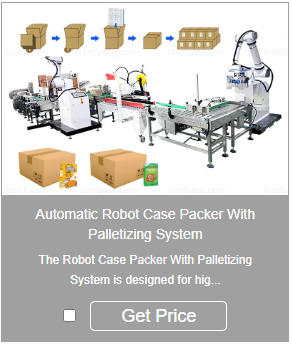
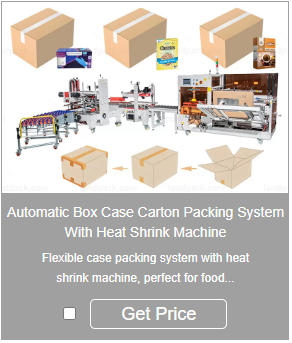
A secondary packaging system connects primary packaging with End-of-line packaging. It helps factories move finished packs into cartons, cases, trays, shrink bundles, or pallets with better control. It may include conveyors, counting units, arranging systems, cartoning machines, case packers, robots, shrink wrappers, inspection systems, and palletizers.
For many factories, the hidden cost is not in the packaging machine itself. It is in the gap between the machine outlet and the final packed case.
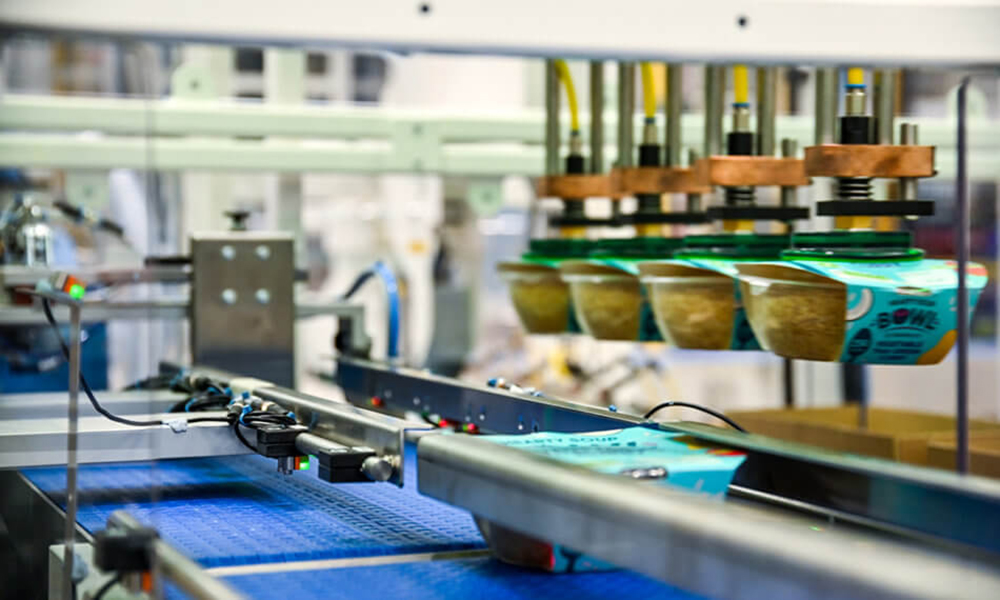
A secondary packaging system handles products after primary packaging.
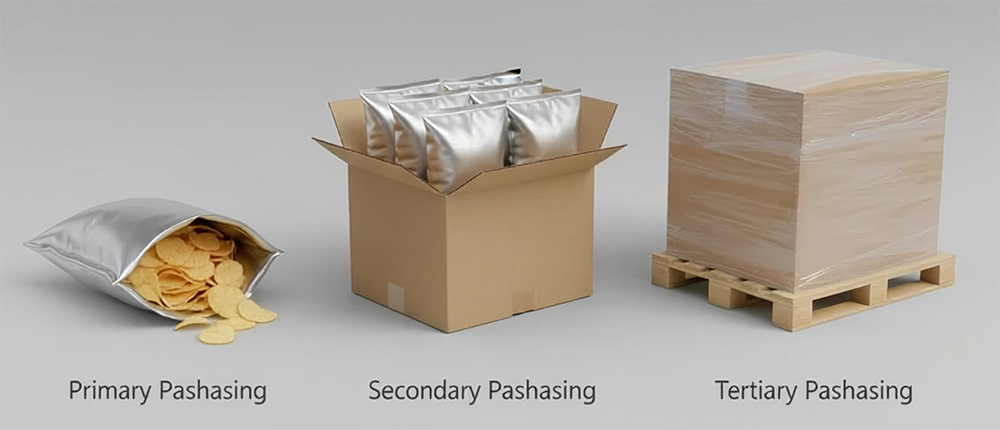
Primary packaging directly contains the product, such as a bag, bottle, pouch, sachet, jar, can, or flow pack. Secondary packaging groups and protects these packs for storage, transport, retail display, or further handling.
Common secondary packaging formats include cartons, corrugated cases, trays, shrink-wrapped bundles, display boxes, and retail-ready packs.
In a real production line, a secondary packaging system may include:
- Product conveyors
- Feeding and arranging systems
- Counting conveyors
- Cartoning machines
- Case packing machines
- Shrink wrapping machines
- Robotic pick-and-place units
- Inspection systems
- Checkweighers
- Palletizing systems
This system does more than put products into boxes. It controls how products move, how they group together, how they enter the carton, and how the final pack leaves the line.
Without this connection, even a fast primary packaging machine can create pressure at the back end.
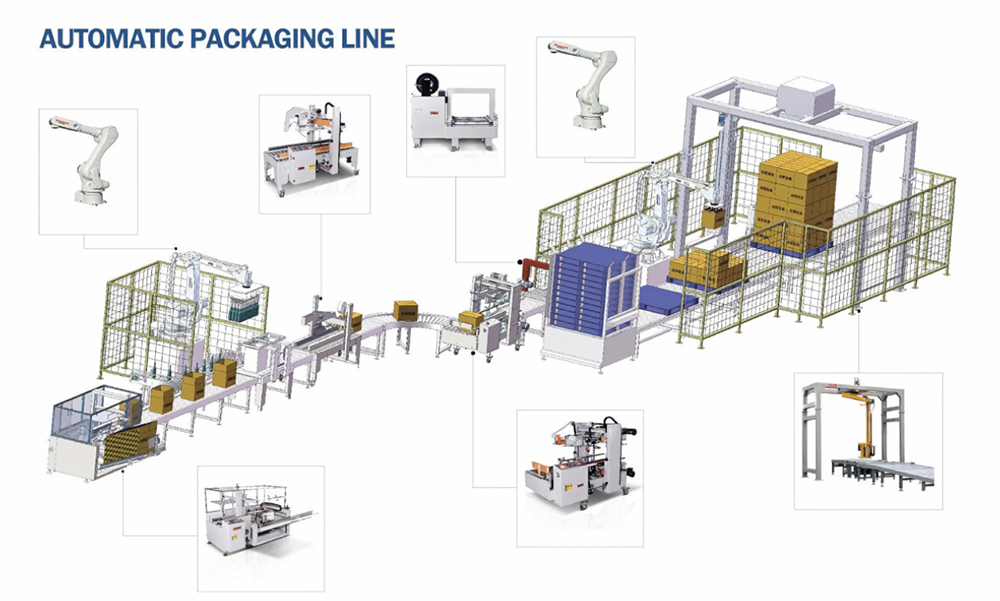
Many factories already use automatic VFFS machines, filling lines, pouch packing machines, or flow wrappers. But the back end still depends on workers.
At first, manual packing looks flexible. Workers can count products, arrange them, load cartons, and seal boxes. But once output increases, problems appear.
Workers get tired. Counting errors happen. Some cartons have too many packs, some have too few. Products pile up near the conveyor. During peak production, the whole line slows down because manual packing cannot match machine speed.
The issue is not always machine speed. Many times, the real issue sits between primary packaging and End-of-line packaging.
A good secondary packaging system reduces manual handling and keeps products moving through counting, arranging, grouping, and packing with a more stable rhythm.
If your factory has limited floor space, the secondary packaging area can become crowded very quickly.
This often happens in bakery, snack, frozen food, beverage, cosmetics, and pet food factories. Cartons stand near the conveyor. Finished packs wait on tables. Workers move products by hand. Some products wait in baskets before packing.
Everyone looks busy, but the product flow is not smooth.
A compact secondary packaging system can combine conveying, buffering, counting, arranging, carton loading, and case packing into one continuous route. Products no longer move from table to table. They follow a controlled path from the primary machine outlet to the final packing station.
Secondary packaging also affects product damage.
Soft bags may deform during manual packing. Bottles may fall, collide, or leak. Flow packs may crush when they stack without control. Printed pouches may scratch if workers push or drop them roughly.
A well-planned system reduces unnecessary dropping, squeezing, pushing, and repeated handling. It protects the package that the primary machine has already made.
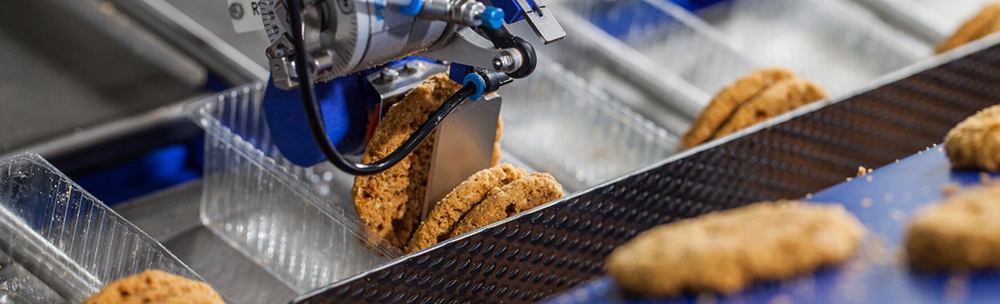
Many factories no longer run one product size all day.
A snack factory may produce several flavors and bag weights on the same line. A sauce factory may switch between different bottle sizes. A pet food plant may run small pouches, large pouches, and promotional multipacks.
This creates pressure on the packing section.
Manual packing seems flexible, but mistakes increase when workers switch between carton counts, product sizes, and packing layouts. Automatic lines can also cause trouble if changeover takes too long.
A flexible secondary packaging system should support fast adjustment. Adjustable guide rails, servo positioning, modular grippers, PLC recipe control, and HMI parameter settings can help operators switch formats faster.
For VFFS bags, the system may need to handle different bag lengths, widths, and thicknesses. For bottles, it may need to match different diameters, heights, and cap styles. For flow packs, it must control spacing, grouping, and feeding speed.
Quick changeover gives factories more room to handle small-batch and multi-variety production.
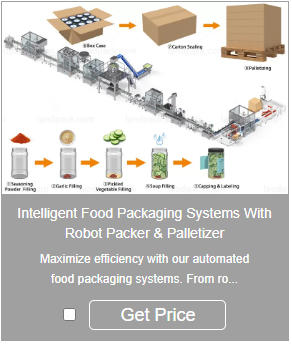
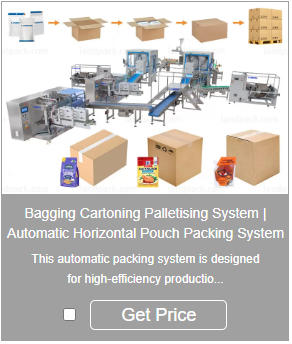
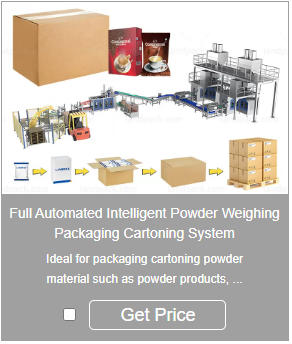
A secondary packaging system should start from the product coming out of the primary packaging machine.
VFFS machines produce pillow bags, gusset bags, powder bags, snack bags, frozen food bags, coffee bags, and pet food bags. These bags may be soft, slippery, thick, or unstable. They often need incline conveyors, settling sections, counting conveyors, arranging mechanisms, servo pushers, cartoning machines, or case packers before entering cartons or cases.
Filling lines produce bottles, jars, cans, and containers. After filling, capping, labeling, and coding, the products must remain upright and stable. They may need lane dividers, timing screws, guide rails, accumulation tables, or servo grouping before entering End-of-line packaging.
Premade pouch packing machines often handle retail products such as pet food, sauces, ready meals, powders, and personal care refills. These pouches may have zippers, spouts, shaped corners, or printed surfaces. The secondary packaging section must protect both the product and the pouch appearance.
Flow wrapping machines produce a steady stream of products such as biscuits, bakery products, chocolate bars, soap, tissues, medical products, and hardware items. Before cartoning or case packing, flow packs may need spacing, grouping, stacking, turning, or pushing.
The goal is simple: let every pack reach the carton or case with the right count, direction, and spacing.
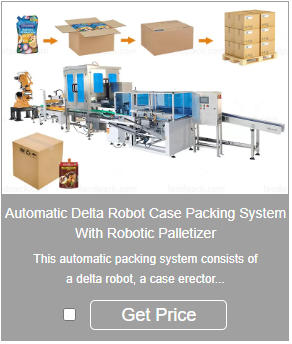
Before choosing equipment, look at the product first.
What comes out of the primary packaging machine? A soft bag, bottle, pouch, flow pack, or carton?
Then check the speed, product size, packing format, SKU changes, and available floor space.
Useful questions include:
- How many packs or bottles come out per minute?
- Does the product need counting, turning, flattening, grouping, or buffering?
- Will the final format use cartons, cases, trays, shrink film, or pallets?
- How many SKUs run on the same line?
- How often does the factory change bag size, bottle size, or carton count?
- Does the line need checkweighing, coding, labeling, or visual inspection?
- Does the system need to connect with an existing VFFS machine, filling line, pouch packing machine, or flow wrapper?
The right secondary packaging plan should not only focus on the carton at the end. It should focus on how the product travels from the primary packaging outlet to the final packed unit.
A secondary packaging system may not be the first thing a factory thinks about when production slows down.
But it often hides the real cost.
Extra workers. Product damage. Messy accumulation. Slow changeover. Wrong carton counts. Frequent stops. Poor machine connection.
If your factory uses VFFS machines, filling machines, premade pouch packing machines, or flow wrapping machines, the next step may not be another standalone machine. You may need a better connection between primary packaging and End-of-line packaging.
Look at your current line.
Where do products start to pile up?
Where do workers need to step in?
Where does the line stop most often?
Your secondary packaging area may already show the answer.
Is it protecting your profit, or is it consuming it every day?
If you face labor pressure, limited floor space, product damage, frequent changeover, or unstable line output, our packaging team can review your product, machine outlet, packing format, and factory layout to help you build a more suitable secondary packaging system.


Copyright © Foshan Land Packaging Machinery Co., Ltd. All Rights Reserved | Sitemap