
A packaging line may look straightforward in a proposal: open the carton, load the product, print the box, seal it and place it on a pallet.
The difficult questions usually sit between those steps.
What happens when two carton formats arrive at the same machine? Who tells a printer which box is in front of it? Where does an incomplete box go? Will the conveyor layout in the final drawings match the space reserved at the factory?
These are the kinds of questions that came up during a European packaging line project involving a carton opening robot, conveyors, printing, sealing and palletizing. They are useful questions for any buyer planning an automated line.
Before comparing quotations, make sure the following eight points are clear.
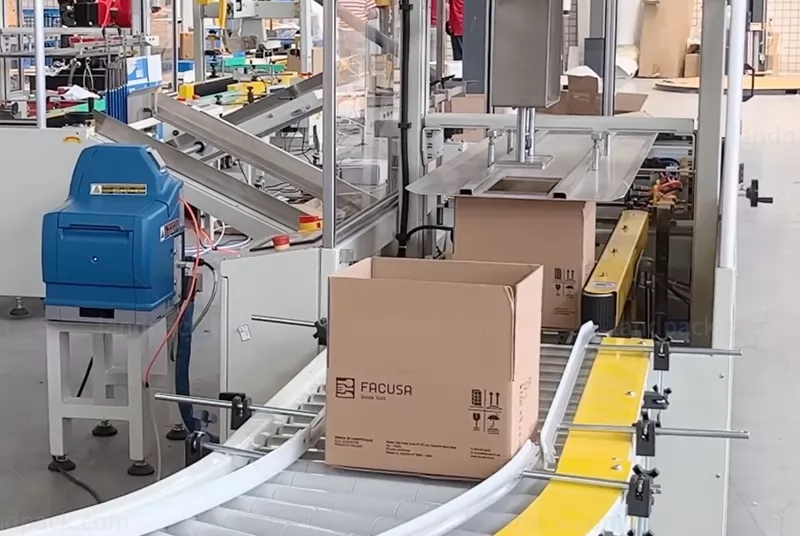
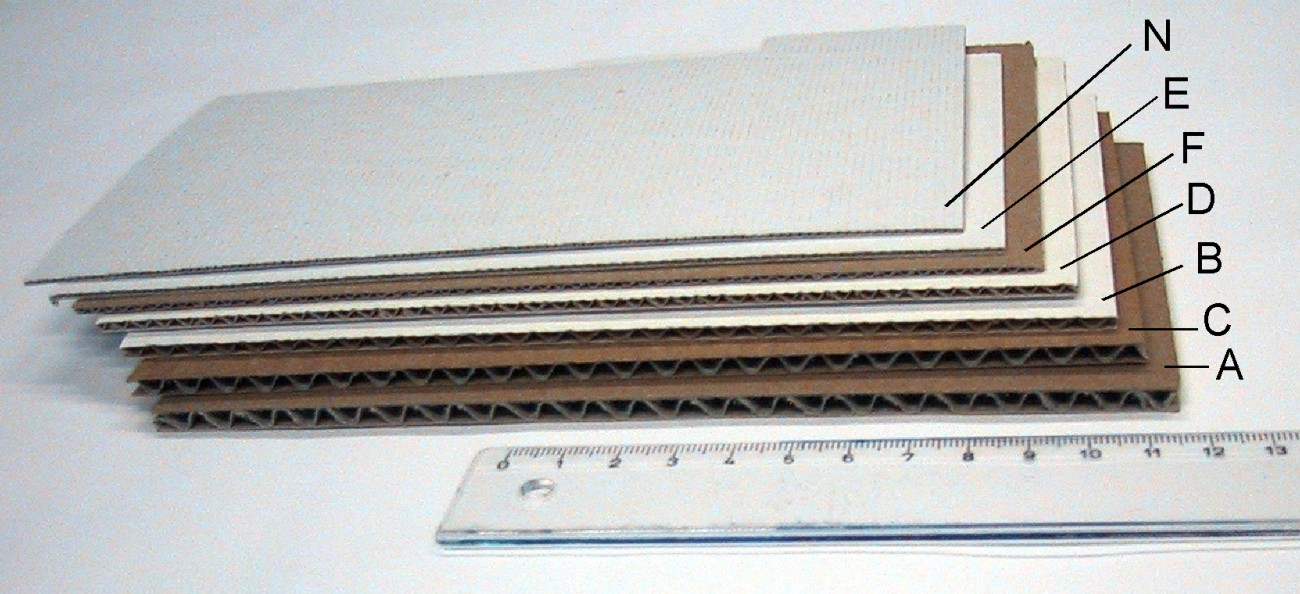
Do not send only the dimensions of your most common box.
Prepare a list of the smallest, largest and most frequently used cartons. For each one, include:
External length, width and height
Board construction and thickness
Flute type
Flat carton photos and drawings
Expected production volume
Whether the carton will be printed or labeled
In the project above, the discussion covered more than one box format, and the scope of carton testing later expanded. Photos also raised a further question: the cartons appeared to use different corrugated constructions, so the team requested edge photos to confirm the board types.
That detail matters. Two cartons with similar dimensions may open and fold differently if their boards have different stiffness or folding behavior.
Buyer’s check: Ask the supplier to confirm the complete carton matrix, not just the nominal size range of a machine. Agree which physical carton samples will be used for testing.
A target such as “one box every ten seconds” is a starting point, not a complete line specification.
At ten seconds per box, the theoretical rate is six boxes per minute. Actual output can be lower when operators replenish cartons, change formats, clear a reject or replace a pallet.
List the time required at each station:
Carton opening
Product loading
Printing or coding
Carton closing and sealing
Pallet dispensing and palletizing
Pallet wrapping, if required
Then identify the slowest step. A faster carton opener will not raise line output if the loading or palletizing station cannot keep up.
Buyer’s check: Request a proposed cycle time for each station using your actual cartons and products. Ask how the line handles short stops and restarts.
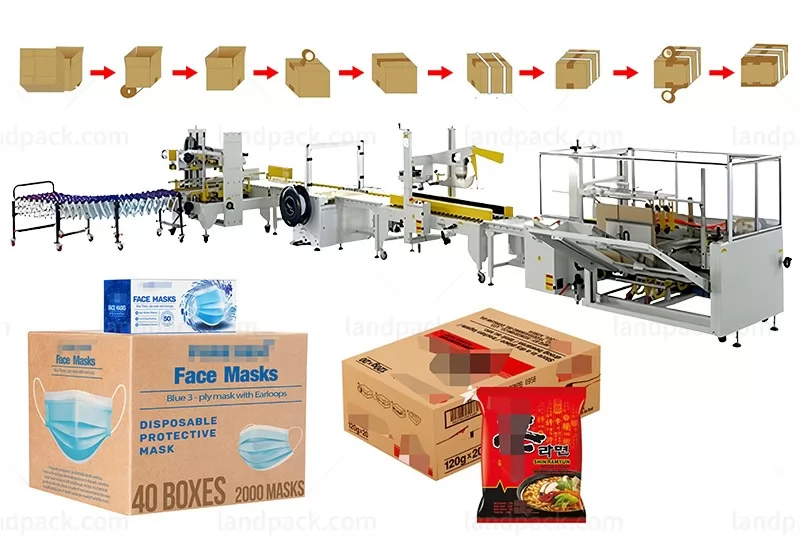
“Can the machine handle both sizes?” and “Can it switch automatically between sizes?” are different questions.
A carton sealer may cover the dimensions of two boxes but still need a manual height adjustment. A robotic solution may handle several formats, but the gripper, guides or program may need to change. For a factory running both formats frequently, changeover time can matter as much as maximum speed.
One project team specifically asked whether two box formats required two carton forming or sealing machines. That is the right question to ask before settling on a layout.
For each format, confirm:
Which settings change
Whether changes are manual or automatic
How long a changeover takes
Whether tools or replacement parts are needed
How the operator selects the correct recipe
What prevents the wrong carton from entering the line
Buyer’s check: Compare the cost of a shared machine and its changeovers with the cost and floor space of two dedicated paths.
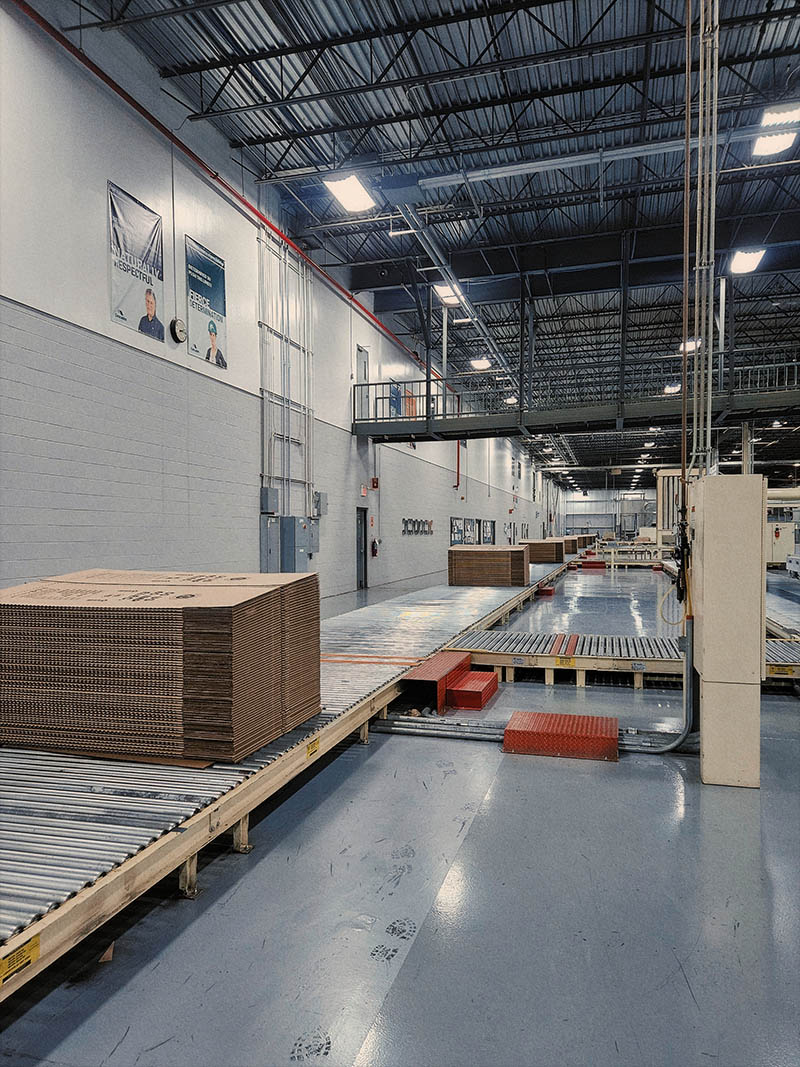
A 3D model helps buyers see where machines will stand. It should also show how cartons move between them.
During the project discussions, the team compared versions of a 3D layout and noticed differences in conveyor positions, the palletizing robot, a proposed rejection section and the safety fence. They also asked where the fence doors would be located.
Those are functional questions. Moving a conveyor can change transfer direction, access for maintenance, wiring length or the space available to remove a rejected carton.
Before approving the layout, check:
The position and direction of every conveyor
Transfer heights and widths
Which conveyor sections are included in the supply
Space for operators and maintenance
Rejection points and access to rejected boxes
Robot reach and pallet positions
Guarding, doors and emergency stop locations
Buyer’s check: Keep one approved drawing revision. If the equipment list or conveyor length changes, update the drawing and the scope together.
A packaging line can contain several machines that work correctly on their own but do not exchange the information needed to work together.
In this project, the technical teams discussed who would supply, wire and control the stoppers, pusher cylinders and box sensors. They also discussed PLC communication, printer data and how the palletizer would know which pallet to use.
Create an interface list before programming begins. For every device, record:
| Function | Question to settle |
|---|---|
| Carton sensors | Who supplies and wires them? Who reads their signals? |
| Stoppers and pushers | Which PLC commands them, and what confirms their position? |
| Printers | Who sends the text and box-specific ID? |
| Carton opener | What status and fault signals are available? |
| Palletizer | How does it receive the pallet destination? |
| Conveyors | Who controls start, stop and fault recovery? |
| Safety circuit | How do the supplied machines connect to the factory system? |
If the factory needs a unique ID printed on each carton, a set of fixed messages in the printer is not enough. The line must send the right data to the right printer at the right time.
Buyer’s check: Ask for an agreed signal and communication list, including the method used, the data exchanged and the party responsible for each connection.
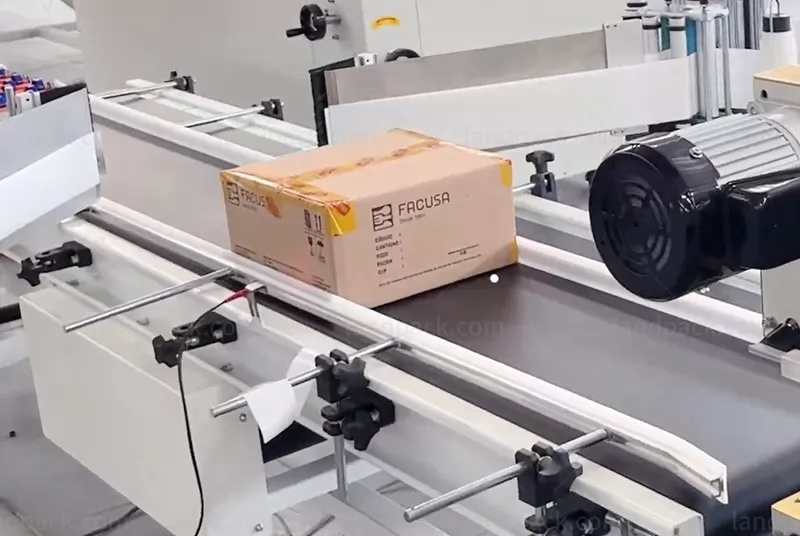
Not every carton on a line should reach the sealer.
At the end of a shift or during a product change, the last carton may be only partly filled. The project team discussed removing such a carton before closing. That raised a practical design question: where should the rejection point be, and what equipment is needed to move the carton off the main conveyor?
Before adding a rejecting unit to a quotation, define:
What makes a carton unacceptable
How the line detects or identifies it
Where it will be removed
Whether the operator can reach it safely
Whether the event must be recorded
What happens if the reject lane is full
Weight checking may help in some applications, but it should not be assumed to detect every type of incomplete or incorrect carton. The rejection method must match the fault you need to catch.
Buyer’s check: Put the rejection sequence in the line description and demonstrate it during testing.
Small operating items can become large interruptions when the factory is far from the machine builder.
Ask which sealing tape and printer consumables the line uses and whether they can be sourced locally. Confirm the recommended spare parts and the level of remote or local service actually available.
The project team also asked for a separate copy of the machine programs and a cable for connecting to the devices. That is a sensible handover requirement: a buyer should know how the programs, settings and drawings will be recovered if a control component needs replacement.
Before shipment, request:
Machine manuals and electrical drawings
Pneumatic drawings, where relevant
Recommended spare parts
Printer consumable specifications
Program and parameter backups
Required communication cables and software details
A clear support contact and response procedure
Buyer’s check: Confirm these items in the handover list, not after the first production fault.
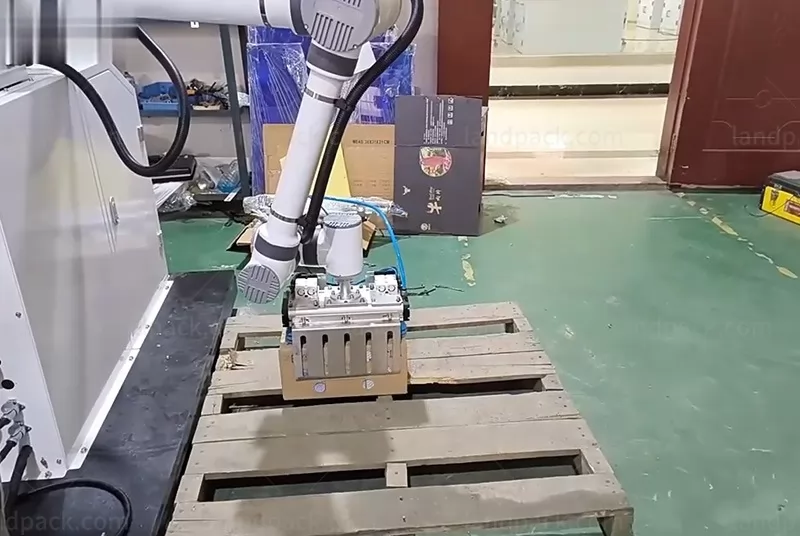
A video showing one machine running is useful, but it does not prove that the complete line handles the buyer’s cartons and control logic.
Agree on a factory test plan before the demonstration. It should cover the approved carton formats and a complete operating sequence:
Carton opening → loading or transfer → printing → closing → rejection when required → palletizing
Watch what happens during a format change, a missing carton, an incomplete carton and a stop-and-restart. Check the final layout against the latest approved drawing. Record open points and the person responsible for closing each one.
For a large project, buyers may also need to decide whether equipment can be accepted and shipped in stages. If so, define which tests each stage must pass and which interfaces can only be tested after installation.
Buyer’s check: A successful test is evidence that the agreed process works. Write down the process and pass criteria before the test starts.
To receive a useful proposal, send the supplier:
Product description and how it enters the line
All carton sizes, drawings and board types
Photos and physical samples of each carton format
Required output and number of shifts
Expected format change frequency
Required printing and variable data
Rules for incomplete or rejected cartons
Existing machines and conveyors to be retained
Available floor space and a dimensioned plant layout
Factory power and compressed-air details
Preferred control system and communication requirements
Pallet size, pallet patterns and wrapping requirements
Safety requirements
Required factory tests and handover documents
The more clearly these points are defined, the easier it is to compare two proposals on the same basis.
Review four things together: the real cartons, the full process, the machine interfaces and the test plan.
A quotation may list every required machine and still leave a critical gap between them. A drawing may look complete while showing an outdated conveyor position. A printer may work while lacking the changing data the factory needs.
An automated carton packaging line should therefore be specified from the buyer’s production process outward. Start with what each carton must become, what information must follow it, and where it must go. Then choose and test the equipment that can deliver that sequence.
Landpack can review carton samples, layout requirements and line interfaces with buyers planning carton opening, sealing, conveying and palletizing equipment.


Copyright © Foshan Land Packaging Machinery Co., Ltd. All Rights Reserved | Sitemap