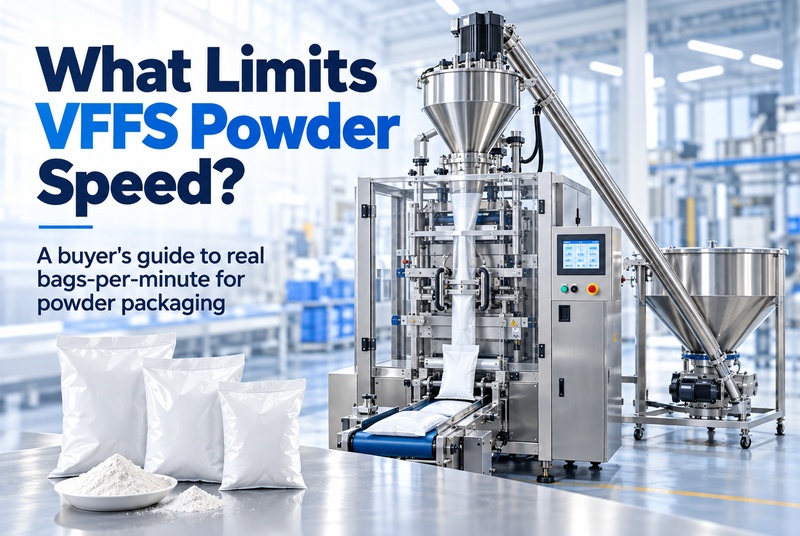
Powder VFFS speed depends on the product, dosing system, bag and sealing conditions - not the bagger alone
The speed shown in a brochure does not always reflect the output you will get when packing powder.
A powder packing line has several linked steps, including product feeding, dosing, film pulling, sealing and bag discharge. Powder also needs enough time to fall clear of the sealing area before the jaws close. Whichever step takes the most time will limit the final packing speed.
For buyers, the more useful question is not “What is the top speed of the bagger?” but “What output can this complete setup maintain with my powder, fill weight, bag size and film?”
VFFS stands for vertical form fill seal. The machine pulls roll film around a forming tube, creates the bag, receives a measured dose and seals the package. The bagger can only complete a production cycle after the upstream feeding and dosing system finishes its part.
That difference matters because machine makers may quote cycle speed, empty-bag speed or a maximum rate under a narrow set of conditions. A buyer needs the rate with product inside the bag. Film structure, bag length, fill weight, powder behavior and the dosing device all change the result.
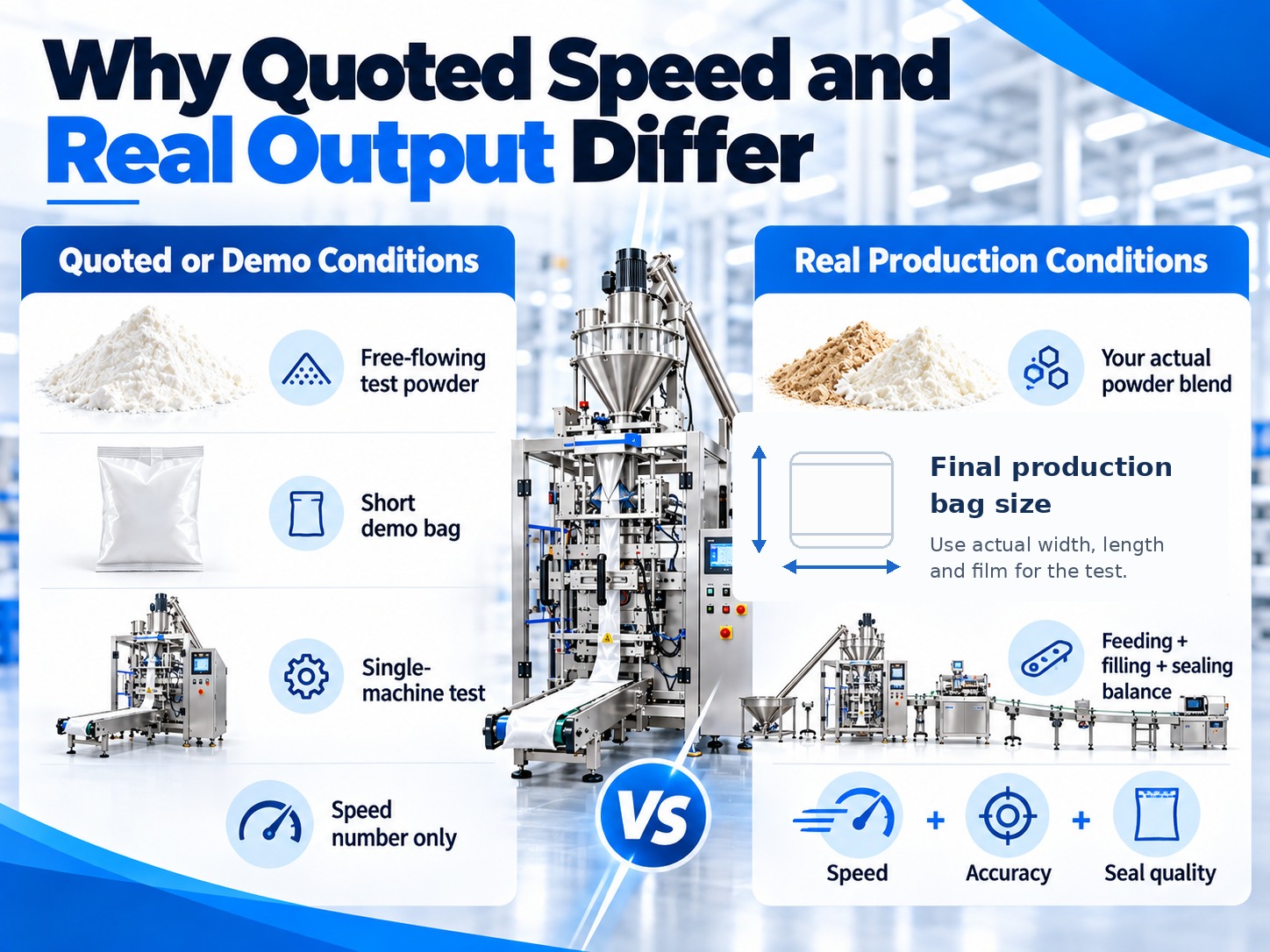
Quick visual: quoted speed and repeatable production output can differ when the powder, bag size and full line conditions change.
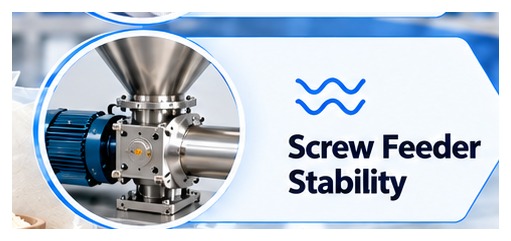
Treat the packaging line as a chain. The slowest repeatable step sets the practical output. A faster sealing jaw cannot compensate for a feeder that cannot keep the dosing hopper full, and a fast auger does not help if powder hangs in the fill tube or reaches the horizontal seal.
| Stage | What can cap output |
|---|---|
| Powder feeding | Conveying rate, hopper refill logic, filter cycle, product aeration |
| Dosing | Auger size, dose weight, screw speed, settling time, product flow |
| Bag forming / film pull | Bag length, film tension, registration, motion type |
| Product drop | Drop distance, dust cloud, product clearing the seal zone |
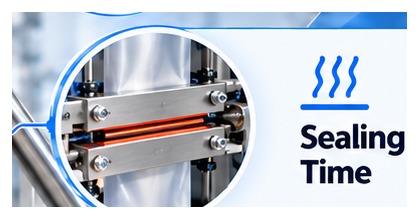
| Sealing | Film structure, jaw temperature, pressure and contact time |
| Discharge | Bag release, takeaway conveyor and downstream equipment |
Landpack's VFFS buying guide describes the same basic relationship between feeding, dosing, bag forming, filling and sealing. For powder applications, the guide lists spiral or vacuum feeding and auger dosing among the common configurations. The exact combination still depends on the product.
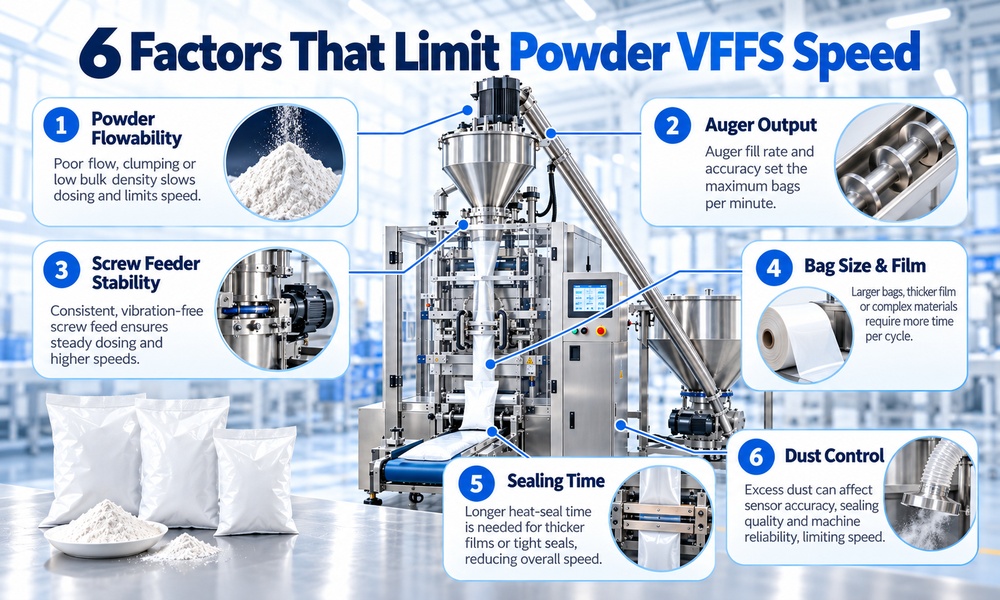
Figure 1. Six common factors that limit practical powder VFFS output.
Two powders with similar labels can run very differently. Fine flour can stay airborne. Milk and nutrition powders can hold air and occupy more volume after dosing. Sticky blends can collect on hopper walls or around the auger. A mix that contains small granules and fine powder can separate during transfer if the ingredients have different particle sizes or densities.
This is why 'powder' is not enough information for machine selection. Send the supplier a sample or, at minimum, give particle size, bulk density, flow behavior, moisture sensitivity and whether the blend separates during handling. The sample often changes the feeder, auger, hopper or fill-tube recommendation.
Landpack's current powder packing guide makes the same point: powder density, flow, particle size, filling weight and package opening all affect the dosing setup, while mixed powders may separate during feeding.
Powder flowability changes how fast a stable dose can form. |
Auger output has to match both dose weight and target bags per minute. |
A speed target also creates a product-flow target. Calculate it before you compare machines:
Required product flow (kg/min) = Fill weight (kg) × Target bags/min
For example, a 500 g pack at 70 bags/min requires 35 kg/min of product through the dosing section. The upstream conveyor or vacuum feeder has to replenish the hopper fast enough to support that rate without large level swings. If the feed system averages less than the required mass flow, the bagger will eventually wait for product no matter how fast its servo system can cycle.
Also check the peak demand, not just the average. Powder feeds in pulses. A system that barely matches the average can still starve the dosing hopper during short high-demand periods.
For fine powders, an auger filler remains a common choice because the screw meters a repeatable volume each cycle. But auger diameter, pitch, rotation profile, hopper agitation and product density all influence how quickly the dose can finish.
Some coarse or mixed powders need a different approach. A twin-screw linear weighing setup can suit certain blends with small granules, while a conventional multihead weigher normally fits free-flowing granules better than fine powder. Do not select a dosing system from the machine name alone; compare actual samples and target weights.
Landpack currently publishes a protein powder VFFS configuration that lists an LD-320D capacity of 20-60 bags/min for its stated bag-size range. That figure belongs to that model and format. It should not become a blanket speed promise for every powder bag. Landpack also publishes other powder VFFS models with different rate ranges, which reinforces the need to match the model to the pack.
The upstream feeder must keep the dosing hopper supplied without creating unstable surges. |
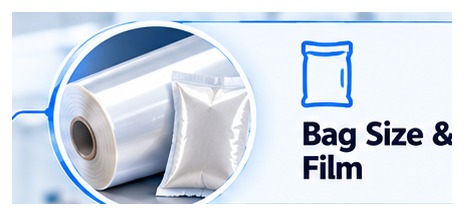
Bag length and film behavior add cycle time even when the dosing unit can run faster. |
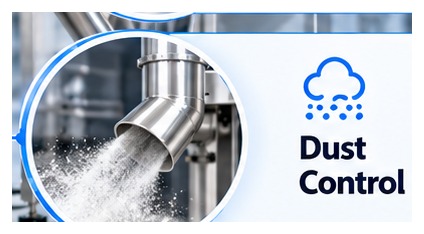
Fine powder can rise with the product drop and reach the horizontal sealing area. Once powder sits between the film layers, the seal can lose consistency. At higher cycle rates, the machine has less time for the product cloud to settle before the jaws close.
The fix may involve more than adding a dust collector. The supplier may need to adjust the fill outlet, shorten the drop path, change auger timing, control the hopper level, add dust extraction near the forming tube or use a more enclosed feeding route.
A vacuum conveyor can reduce open powder transfer and keep the upper hopper supplied, but it does not automatically increase bags per minute. Its conveying rate, filter cleaning cycle and refill logic still have to match the dosing demand.
A longer bag needs more film travel per cycle. A thicker or unfamiliar laminate may need a different sealing temperature or contact time. Registration marks, gusset devices, hole punches and other package features also add motion or timing requirements.
Continuous-motion VFFS platforms keep the film moving through the sealing cycle and usually target higher outputs. Intermittent-motion machines stop the film during sealing and can suit applications where bag size, fill weight or control of the product drop matters more than the highest cycle rate. Neither motion type wins every powder application.
Sealing dwell and film structure can cap the cycle rate. |
Dust near the seal zone can force slower filling or extra extraction/control measures. |
Buyers often receive long lists of servo motors, sensors, stainless-steel parts and alarm functions. Those items only matter when they solve a specific operating problem.
| Feature on a quotation | What a buyer should ask |
|---|---|
| Servo control | Which motions does it control, and what does that change at my bag length and target rate? |
| Fault tracking / alarms | Does the HMI point to the actual station or sensor that stopped the machine? |
| Stainless-steel construction | Which frame and product-contact parts use stainless steel, and what cleaning method does the machine support? |
| Multiple dosing options | Which dosing system matches my product sample and weight range? |
| Custom modification | What will change on this project: feeder, hopper, auger, former, dust control, guarding or line layout? |
A useful quotation connects each feature to the product, package or maintenance requirement. If a feature cannot explain what changes in the run, changeover, cleaning or fault recovery, it should not carry much weight in the decision.
Before the purchase order, agree on the test conditions. A short video of empty film proves very little for a powder project. Use the real product whenever possible and run the actual film or a close production equivalent.
Confirm the exact fill weight and finished bag dimensions used in the test.
Record average loaded output over a sustained run, not only the highest momentary rate.
Check weight variation while the hopper level changes.
Inspect horizontal seals for trapped powder and channel leakage.
Watch for dust buildup around the forming tube, jaws and sensors.
Record stops, alarms and manual interventions during the run.
If you plan several products, test the hardest-flowing or dustiest one rather than the easiest SKU.
This test gives you a number you can use for production planning. It also gives the supplier a clear acceptance target.
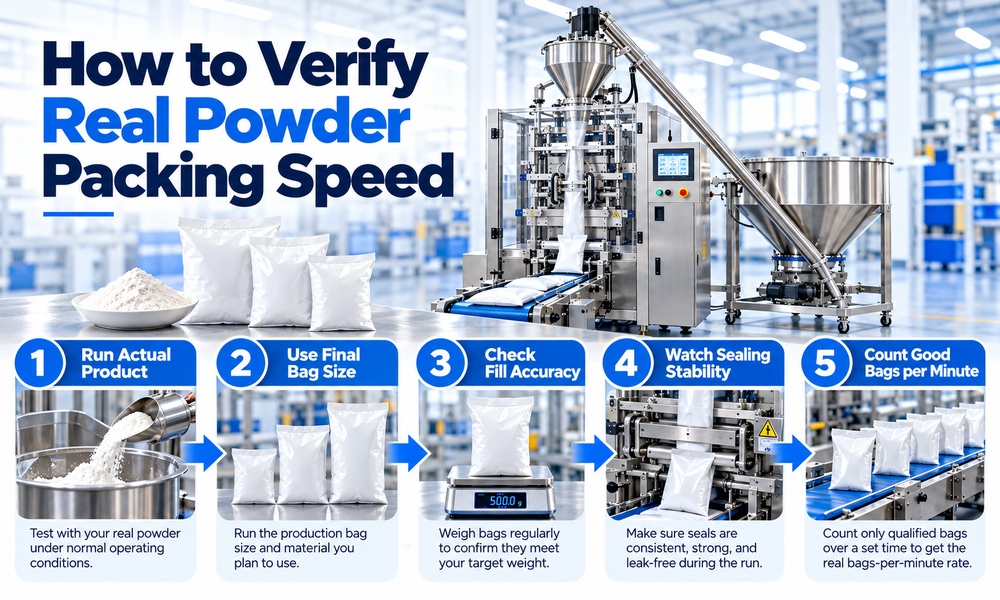
Figure 2. A simple five-step method to verify real powder packing speed during a line trial.
A supplier can only give a useful speed answer when the input data describes the real job. Send these items at the start:
Product name plus a photo or sample.
Particle size, bulk density and notes on dust, stickiness or ingredient separation.
Target fill weight and the full weight range you expect to run.
Bag style, finished width and length, and film structure if known.
Required loaded output in bags/min, plus the minimum rate you can accept.
Preferred feeding method and the distance from bulk product storage to the filler.
Available ceiling height, floor space, power and compressed-air conditions.
Any checkweigher, metal detector, conveyor or secondary packaging equipment that must connect downstream.
These details let the discussion move from 'Which VFFS machine is fastest?' to 'Which complete configuration can hold the required output with this product?'
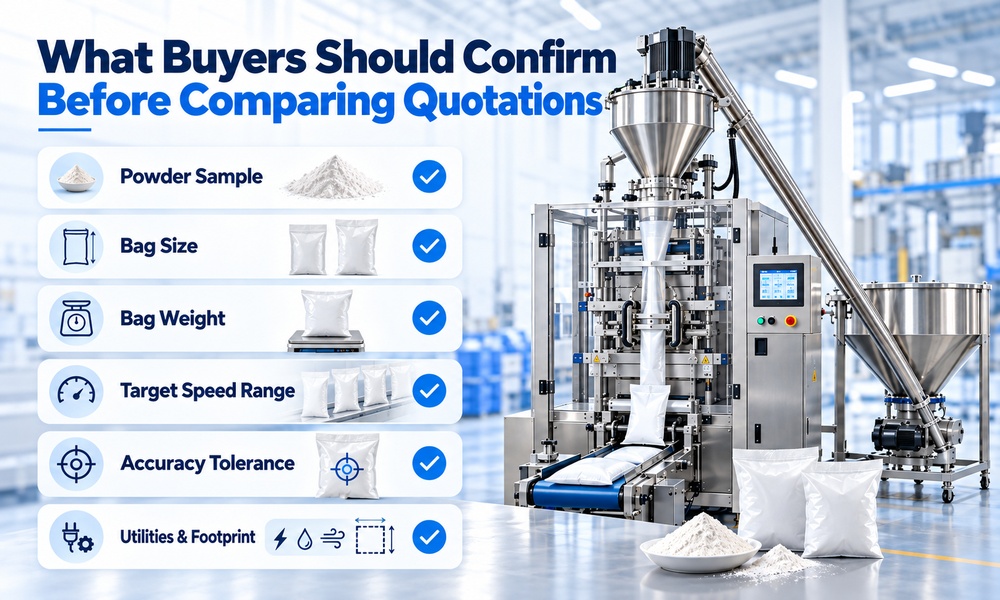
Figure 3. Buyer checklist for more accurate quotation comparison and speed evaluation.
Landpack's public range covers VFFS packaging machines and powder packing machines for different weights, bag sizes and dosing arrangements. If speed drives the project, start with the product sample, fill range, bag dimensions, film and loaded output target. Then confirm the feeder, dosing system, VFFS model and dust-control details as one system rather than buying the bagger in isolation.
For a first comparison, review the Landpack VFFS category, the powder packing machine range and the powder VFFS product pages. If your target sits near the top of a published speed range, ask Landpack to test the product and film before you treat that number as production output.
Some VFFS configurations can reach that range with the right bag size, fill weight, film and powder. The practical rate can drop when the dose gets larger, the powder flows poorly, dust reaches the seal zone or the filler cannot finish each dose in time. Ask for a loaded test under agreed conditions.
Not by itself. A vacuum conveyor can keep the dosing hopper supplied and reduce open transfer, but its capacity and control logic must match the dosing demand. If another step sets the bottleneck, the final bags-per-minute rate will not change.
It is common for fine powders, but not universal. Mixed powders, coarse particles, sticky products and wide weight ranges can need another dosing arrangement or a different auger and hopper design. Product testing settles this faster than a generic rule.
Send the product sample, target fill weight, bag dimensions, film structure and required loaded output. Add bulk density and dust/flow notes when available. Those inputs give the supplier enough information to define a meaningful test.


Copyright © Foshan Land Packaging Machinery Co., Ltd. All Rights Reserved | Sitemap