
Table of Contents
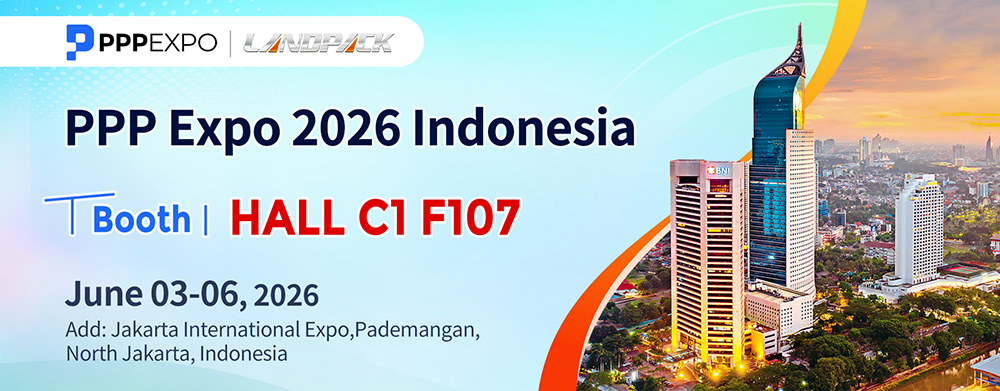
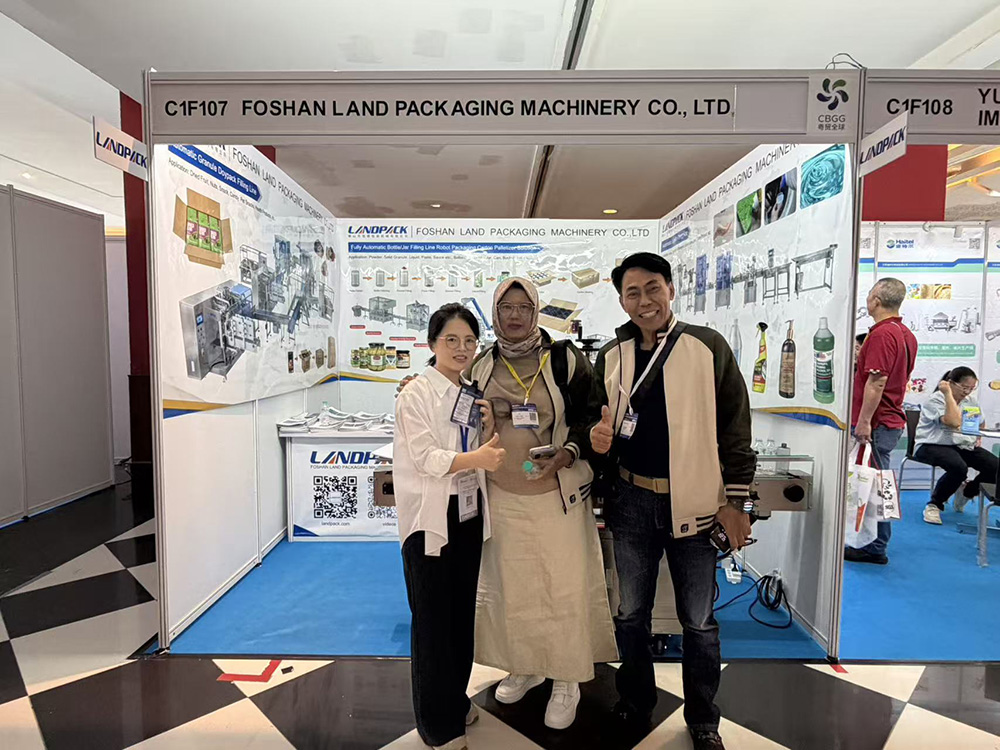
From June 3 to 6, 2026, Landpack participated in PPP Expo 2026 Indonesia at the Jakarta International Expo in Pademangan, North Jakarta, Indonesia.
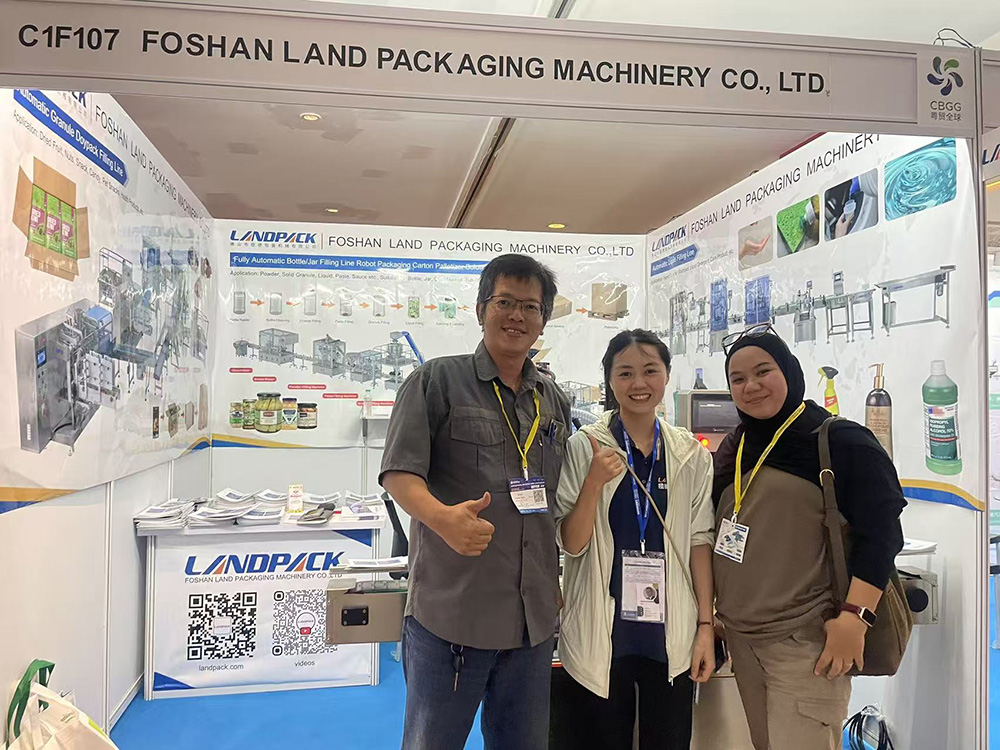
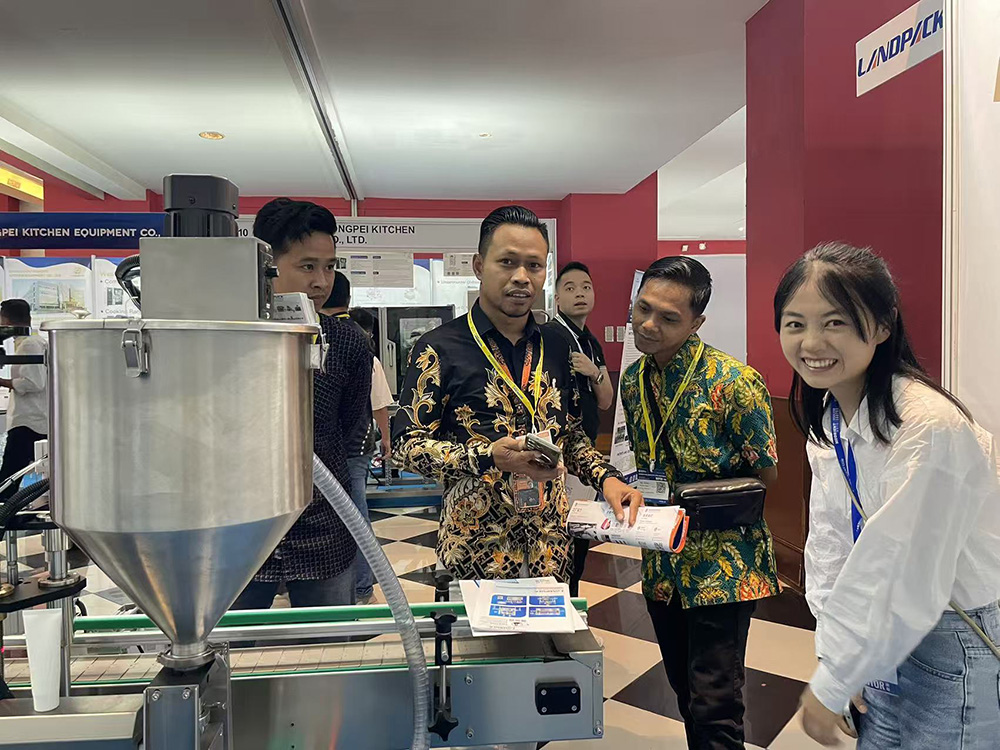
During the four-day exhibition, the Landpack team welcomed visitors at Hall C1, Booth F1O7 and discussed a wide range of packaging, filling and production automation projects with manufacturers, distributors and packaging industry professionals.
PPP Expo provided Landpack with a valuable opportunity to better understand the packaging requirements of manufacturers in Indonesia and other Southeast Asian markets.
Rather than focusing only on individual machines, many discussions centered on how to develop practical packaging systems based on the customer’s product characteristics, packaging format, production capacity, automation goals and available factory space.
These face-to-face conversations allowed customers to explain their current production processes and packaging challenges, while Landpack’s team could recommend suitable filling, packing and end-of-line automation methods.
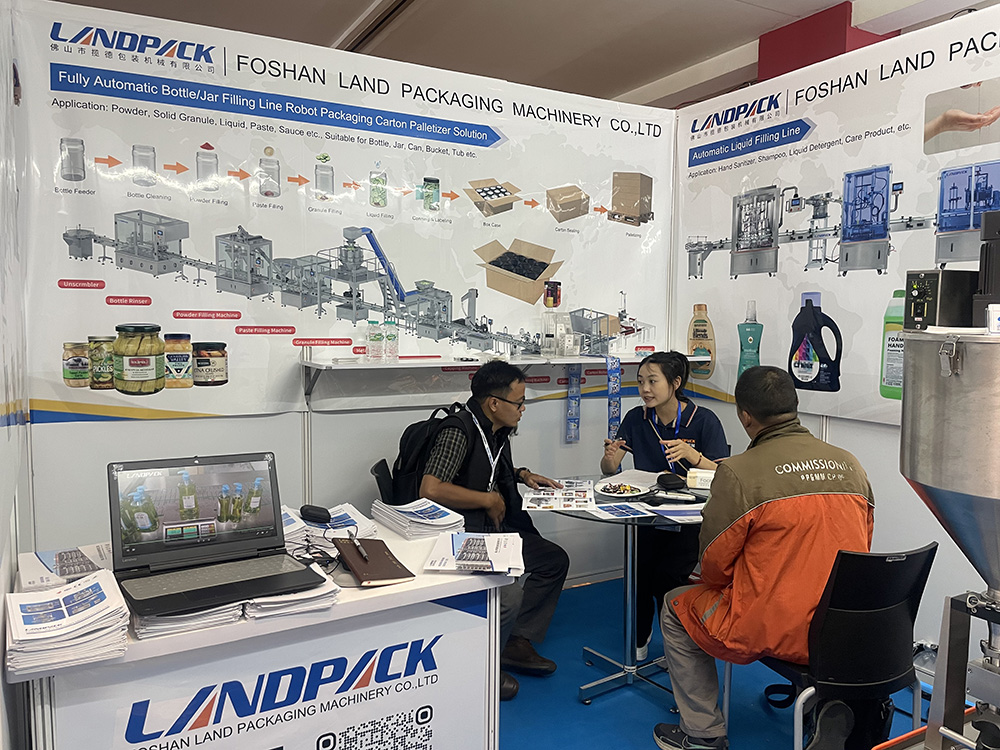
Visitors came to the Landpack booth with different products, containers, package formats and production requirements.
Some manufacturers were looking to replace manual weighing, filling and bagging processes. Others wanted to connect filling, sealing, coding, inspection, labeling, cartoning, case packing and palletizing equipment into a more complete packing solution.
Before recommending equipment, Landpack’s team discussed important project information with each customer, including:
1. Product name and characteristics.
2. Product flowability, density, viscosity or particle size.
3. Required filling or packaging weight.
4. Bag, bottle, jar, cup, can or container type.
5. Packaging material and package dimensions.
6. Target production speed.
7. Existing upstream and downstream equipment.
8. Factory layout and available installation space.
9. Cleaning, product changeover and production management requirements.
These details are important because products with different densities, viscosities, particle sizes and flow characteristics require different feeding, measuring and filling technologies.
Free-flowing granules may use multihead weighing or linear weighing systems, while fine powders may require auger fillers, screw feeding devices and dust-control structures.
Liquids, sauces and pastes may require piston pumps, gear pumps, rotor pumps or other filling systems depending on product viscosity, filling volume and whether the material contains particles.
By understanding the complete production process, Landpack can recommend a suitable equipment configuration instead of selecting a machine based only on packaging speed.
At PPP Expo 2026 Indonesia, Landpack introduced its capabilities in automatic packaging, filling and end-of-line automation for food, beverage, agricultural product, daily chemical, personal care and other manufacturing industries.
The solutions discussed during the exhibition included vertical form fill seal machines for granules, powders, snacks, frozen foods and other solid products.
Landpack also introduced premade pouch packing machines for flat pouches, zipper bags, stand-up pouches, gusset bags and other premade package formats.
For small-dose products, multilane machines can be configured for three-side-seal sachets, four-side-seal sachets, back-seal bags and stick packs.
Flow wrapping machines are available for individually packed food, household products, industrial components and other regularly shaped materials.
These packaging systems can be used for products such as snacks, nuts, rice, sugar, coffee, tea, seasoning powder, flour, milk powder, confectionery, dried fruit, frozen food, agricultural products and other granular, powdered or solid materials.
For liquid and paste products, Landpack provides liquid packing machines, bottle filling lines, jar filling systems, spout pouch filling and capping machines, cup filling and sealing machines, tube filling machines and complete filling production lines.
These solutions can handle products such as sauces, condiments, beverages, edible liquids, detergents, cleaning liquids, personal care products and other free-flowing or viscous materials.
Depending on the project, a filling line may integrate container feeding, filling, cap feeding, capping, foil sealing, labeling, coding, inspection and finished-product collection.
For customers planning to reduce manual handling after primary packaging, Landpack also provides secondary packaging and end-of-line equipment, including:
1. Cartoning machines.
2. Case erecting and sealing machines.
3. Automatic case packers.
4. Robotic pick-and-place systems.
5. Automatic conveying systems.
6. Checkweighers and inspection equipment.
7. Robotic palletizing systems.
By connecting primary packaging equipment with secondary packaging and palletizing systems, manufacturers can reduce repeated product handling and develop a more continuous production process.
Production speed is often one of the first topics discussed when selecting a packaging machine, but it is not the only factor that determines whether a packaging line will operate successfully.
A practical packaging solution must also consider weighing accuracy, filling consistency, package appearance, sealing stability, product protection, cleaning requirements, operator workload and compatibility with upstream and downstream equipment.
For powder products, manufacturers may need to control dust and prevent material from entering the sealing area.
For fragile products, the feeding and discharge structure should reduce product breakage during weighing and packaging.
For liquids and sauces, filling stability depends on viscosity, temperature, particle content, filling volume and pump selection.
Package size changeover is another important consideration for manufacturers producing several product specifications on the same production line.
The machine structure, adjustment method, filling system and recipe management functions should support product and package changes without creating unnecessary production delays.
Factory conditions also affect the final equipment configuration. Ceiling height, workshop width, material feeding position, operator access, cleaning space and future expansion plans may influence the production line layout.
For this reason, Landpack evaluates the customer’s complete production environment before preparing a detailed technical proposal.
Every packaging project has different requirements. A standard machine may be suitable for some products, while other applications require customized feeding devices, contact parts, measuring systems, bag-opening structures, cleaning systems or discharge conveyors.
Landpack provides customized OEM and ODM packaging solutions based on the customer’s products, package samples, production requirements and factory conditions.
For OEM projects, Landpack can modify equipment structures, filling systems, packaging formats, electrical components and production line configurations according to the customer’s requirements.
For ODM projects, Landpack provides deeper technical support by analyzing the product characteristics and developing a packaging or filling solution from the initial project stage.
Depending on the project, Landpack’s engineering and technical support may include:
1. Product testing and packaging trials.
2. Machine configuration and production line layout design.
3. Customized feeding, weighing and filling systems.
4. Integration with coding, labeling and inspection equipment.
5. Primary and secondary packaging line connection.
6. Factory acceptance testing.
7. Installation and commissioning guidance.
8. Operator and maintenance training.
9. Spare parts and after-sales technical support.
For a complete packaging line, the objective is not simply to place several machines together.
Each part of the production line must operate at a coordinated speed and communicate with the other equipment to reduce product accumulation, empty packages, repeated handling and unnecessary downtime.
This customized approach allows manufacturers to select equipment according to their actual production conditions while avoiding unsuitable configurations and unnecessary investment.
Indonesia has a diverse manufacturing sector covering packaged food, beverages, agricultural products, household goods, personal care products and industrial materials.
These industries create demand for packaging equipment that can handle different products, packaging formats, filling volumes and production capacities.
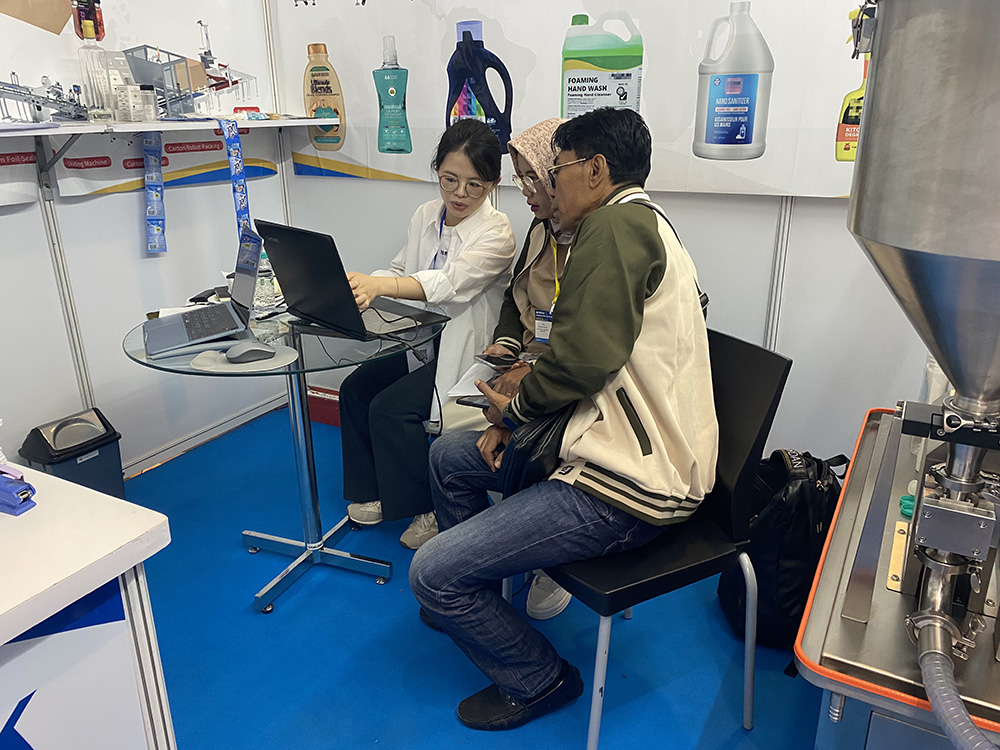
PPP Expo 2026 allowed the Landpack team to communicate directly with local manufacturers, distributors and packaging professionals and gain a clearer understanding of their current production requirements.
Some visitors were planning new production lines, while others wanted to upgrade existing equipment, reduce manual operations or introduce additional packaging formats.
Face-to-face discussions helped both sides evaluate these projects more accurately.
Customers could explain their products, packaging samples, current production processes and future automation goals, while Landpack’s team could suggest suitable packaging methods and identify the technical information needed for the next stage of the project.
The exhibition also created opportunities for Landpack to strengthen connections with partners in Indonesia and support manufacturers seeking automatic packaging, filling and end-of-line solutions.
We sincerely thank everyone who visited Landpack at Hall C1, Booth F1O7 during PPP Expo 2026 Indonesia.
Following the exhibition, Landpack’s engineering and sales teams are continuing discussions with customers who are planning new packaging lines, replacing existing machines or expanding their current production capacity.
To help us prepare a suitable packaging and filling solution, customers can provide:
1. Product name, photos or samples.
2. Product characteristics and filling conditions.
3. Target filling or packaging weight.
4. Bag, bottle, jar, cup, can or container specifications.
5. Required production speed.
6. Packaging material and package drawings.
7. Factory layout or available installation space.
8. Existing upstream and downstream equipment.
9. Required level of automation.
Based on this information, Landpack can recommend a suitable machine configuration and prepare a technical proposal for the project.
Whether the requirement involves a standalone packaging machine, an automatic filling line, a customized production system or complete end-of-line automation, Landpack develops solutions based on the customer’s actual products and production conditions.
As a professional packaging machine manufacturer and filling machine supplier, Landpack continues to support global manufacturers with equipment development, production line integration, technical consultation and after-sales service.
Are you planning a new packaging project or upgrading your current production process? Contact Landpack to discuss your products, packaging requirements and automation goals.
Landpack — Your Partner for Customized Filling and Packaging Solutions.


Copyright © Foshan Land Packaging Machinery Co., Ltd. All Rights Reserved | Sitemap